



Blog
Clinical content for everyday veterinary practice.
-
 B2B buying guide: how to choose a veterinary ECG machine (6 or 12 leads, resolution and reporting) Before comparing price, compare what determines exam quality: how many leads your routine needs, which resolution and sampling rate preserve the signal, how the device handles artifact, and what happens to the tracing after capture, who interprets it and where the report is stored.
 -
 The oscillometric waveform: why you should read the curve before trusting the blood pressure number In ECG, oximetry and capnography the veterinarian reads the wave to judge signal quality before trusting the number. Blood pressure should be no different: oscillometry derives pressure from the curve of cuff oscillation amplitudes, and the quality of that curve determines how reliable the reading is.
 -
 B2B buying guide: how to choose a veterinary blood pressure (NIBP) monitor Before investing in a blood pressure monitor for the clinic, what really sets a reliable device apart: measurement method, validation per the ACVIM consensus, cuff variety, ease of use in cats and small dogs, and platform integration.
 -
 Buying vs. Leasing a Veterinary ECG With Telecardiology: A Decision Guide for Practices Buy the device outright or lease it with integrated access to telecardiology? We compare upfront investment, recurring cost, who interprets, lead count, workflow and the case volume that justifies each model, without prices, to support your clinic's decision.
 -
 Normal ECG reference values in dogs (by body size) and cats A practical reference table of normal ECG values in dogs (adjusted by body size) and cats: heart rate, P wave, PR interval, QRS, QT interval and mean electrical axis, grounded in the veterinary cardiology literature. The most common error is applying human values to dogs and cats.
 -
 B2B buying guide: how to choose a veterinary multiparameter monitor Which parameters a veterinary multiparameter monitor needs (ECG, SpO2, NIBP, ETCO2, temperature and RR), why capnography became a safety standard, and how to align the choice with anesthetic monitoring guidelines and cloud connectivity.
 -
 Congestive heart failure in dogs and cats: causes, signs and workup Congestive heart failure is the stage at which the heart no longer pumps adequately and fluid backs up into the lungs or body cavities. See the common causes in dogs and cats, warning signs, and how ECG, echocardiography, radiography and blood pressure guide the workup.
 -
 Syncope (fainting) in dogs: cardiac causes and how to investigate Syncope is a transient loss of consciousness caused by a sudden drop in blood flow to the brain. In dogs it is often cardiac in origin: arrhythmias, blocks or cardiomyopathies. Learn how to tell it apart from seizures and why 24 to 48 hour Holter monitoring is decisive.
 -
 Myxomatous Mitral Valve Disease in Dogs: ACVIM Stages and When to Treat Myxomatous mitral valve disease is the most common acquired heart disease in dogs. Understand at-risk breeds and age, the murmur as the first sign, ACVIM staging (A, B1, B2, C, D) and when pimobendan is indicated in the preclinical phase.
 -
 Normal Blood Pressure Values in Dogs and Cats: The ACVIM 2018 Classification Per the ACVIM 2018 consensus, systolic blood pressure below 140 mmHg is considered normotension in dogs and cats. Learn the four risk categories, the measurement methods and when to measure.
 -
 Dilated cardiomyopathy (DCM) in dogs: screening the occult phase with ECG, Holter and echocardiography Dilated cardiomyopathy is the most common heart disease in large-breed dogs and is strongly inherited in breeds such as the Doberman. The occult phase has no signs, yet arrhythmias and dysfunction are already detectable by Holter and echocardiography: why annual screening matters.
 -
 Feline Chronic Kidney Disease and Blood Pressure: Why Routine Measurement Matters Chronic kidney disease is a leading cause of systemic hypertension in cats. Understand why routine blood pressure measurement protects the eyes, heart, brain and kidneys, according to the ACVIM consensus and feline guidelines.
 -
 Capnography (ETCO2) in veterinary anesthesia: how to read the capnogram waveform Capnography measures exhaled CO2 and confirms intubation and ventilation in real time, before desaturation. Learn to read the phases of the capnogram and why the waveform shape tells you more than the ETCO2 number alone.
 -
 Pulse Oximetry (SpO2) in Dogs and Cats: What It Measures, What It Misses, and How to Read the Waveform Pulse oximetry continuously and non-invasively estimates hemoglobin oxygen saturation (SpO2), but it does not replace capnography or assess ventilation. Understand reference ranges, the dissociation curve, reading the plethysmographic waveform, and practical limitations in anesthesia, emergency, and hospitalization.
 -
 Normal ETCO2 and SpO2 values in dogs and cats under anesthesia: what each parameter detects Under anesthesia, capnography (ETCO2) and pulse oximetry (SpO2) watch ventilation and oxygenation in real time. See normal ranges in dogs and cats, alert thresholds and what each signal detects early.
 -
 How to Interpret Heart Rate Variability (HRV) Indices from the ECG in Dogs and Cats A clinical guide to HRV indices from the ECG in dogs and cats: time domain (SDNN, RMSSD, pNN50), frequency domain (LF, HF, LF/HF) and geometric methods such as the Poincare plot, read with the caution the species demands.
 -
 HRV as a Prognostic and Autonomic Marker in Cardiac Disease in Dogs and Cats Reduced heart rate variability (HRV) tracks sympathetic activation in MMVD and DCM. Learn how it complements echo and ECG in risk stratification of the cardiac patient, always under the veterinarian's decision.
 -
 HRV, nociception and anesthetic depth in dogs and cats During anesthesia in dogs and cats, heart rate variability reflects vagal tone and has been studied as a complementary indicator of the nociception/antinociception balance, never as a replacement for standard multiparametric monitoring.
 -
 ECG or Echocardiogram: Which Test to Order (and Why They Are Not Substitutes) The electrocardiogram assesses cardiac rhythm and electrical conduction; the echocardiogram assesses structure and function. They are complementary, not interchangeable: learn when to order each and why one cannot replace the other in veterinary cardiology.
 -
 Digital Anesthesia Record: The Value of Continuous Monitoring Documentation in Veterinary Anesthesia The anesthesia record is the periodic documentation of a patient's vital parameters during canine and feline anesthesia. Learn which variables to record, how often, and why continuous digital documentation, with trends and cloud history, adds clinical and medicolegal value.
 -
 Feline Systemic Hypertension: The Silent Threat to Senior Cats Feline hypertension is often silent until it causes sudden blindness, seizures or kidney damage. Learn why measuring blood pressure in cats aged 7 and over can protect your cat's sight and life.
 -
 Main arrhythmias in dogs and cats: how to recognize them on the ECG From respiratory sinus arrhythmia (normal in dogs) to atrial fibrillation, atrioventricular blocks and VPCs: a source-anchored clinical guide on how to spot each arrhythmia on the ECG and when a case is an emergency or warrants referral to a cardiologist.
 -
 ECG in Cats and Feline Hypertrophic Cardiomyopathy (HCM): Why the Cat Hides the Disease Cats are masters at hiding heart disease. Understand the real role of the ECG in feline hypertrophic cardiomyopathy (arrhythmias and clues of chamber enlargement), why echocardiography is the definitive test, and what to weigh in pre-anesthetic screening of the asymptomatic cat.
 -
 Heart Murmur in Dogs: What It Is, Grades, Causes and Which Tests to Run Understand what a heart murmur in dogs is, how it is graded from I to VI, why myxomatous mitral valve disease is so common in small senior dogs, and which tests help the veterinarian investigate it.
 -
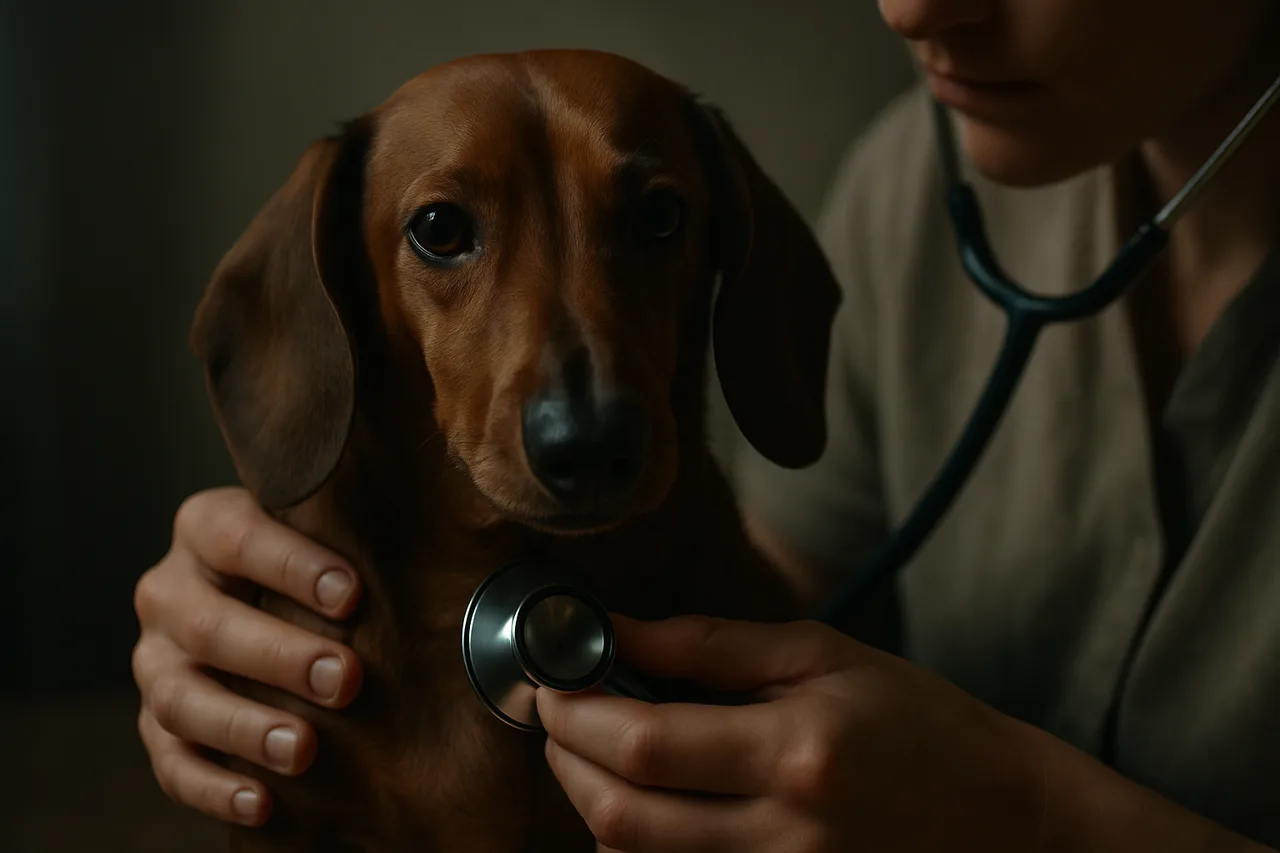 Veterinary Holter monitoring: what it is, how it works and when to use it Understand veterinary Holter monitoring, a 24- to 48-hour ambulatory electrocardiographic test that records the heart rhythm during the animal's daily routine and helps investigate syncope, intermittent arrhythmias and subclinical cardiomyopathies, always at the veterinarian's discretion.
 -
 Artificial intelligence in veterinary ECG analysis: what is changing in dog and cat cardiology How artificial intelligence and machine learning are supporting ECG analysis in dogs and cats: arrhythmia triage, faster teleconsulting and the irreplaceable role of the cardiologist, with the caution veterinary medicine demands.
 -
 Is Anesthetic Monitoring Mandatory? What the Standards Say and Why It Protects Both Patient and Practice In Brazil, the CFMV rule for veterinary establishments requires anesthetic monitoring equipment. Understand the duty to monitor vital signs as both a patient-safety and a legal-protection argument for the practice.
 -
 How to Measure Blood Pressure in Dogs and Cats: The ACVIM 2018 Protocol Step by Step A practical guide anchored in the ACVIM 2018 consensus: quiet room, acclimation, minimal restraint, cuff selection, positioning, and the average of 5 to 7 valid readings after discarding the first.
 -
 ECG Electrode Placement in Dogs and Cats: A Practical Guide to a Clean Tracing How to position the patient in right lateral recumbency, attach the limb electrodes with the correct color code and eliminate the most common artifacts: tremor, panting, poor contact and 60 Hz interference.
 -
 ACVAA 2025 Anesthetic Monitoring Guidelines for Small Animals: What Changes in Practice The ACVAA 2025 guidelines update, after 16 years, how to monitor dogs and cats under anesthesia and sedation. See what changes across oxygenation, ventilation, circulation, temperature and anesthetic depth, and why capnography is now a minimum standard.
 -
 Is Anesthesia Safe for Your Pet? How Assessment and Monitoring Change the Odds Understand why modern veterinary anesthesia is safe when the patient is well assessed beforehand and monitored throughout the procedure, and what you can ask your veterinarian.
 -
 Veterinary telemedicine in Brazil: key points of CFMV Resolution No. 1,465/2022 CFMV Resolution No. 1,465/2022 regulates veterinary telemedicine in Brazil and defines six modalities. Understand what each one allows, when the prior in-person relationship is required, and where ECG telereporting fits.
 -
 Stroke in Cats: How to Recognize, Diagnose, and Treat It Feline stroke is a serious, under-discussed neurological emergency. Learn to spot the early warning signs, understand the causes, and act fast to protect your cat.
 -
 Heartworm in dogs: diagnosis, treatment, and new clinical approaches Canine heartworm disease (dirofilariasis) is a serious mosquito-borne parasitic condition. Learn how it spreads, how it is diagnosed, and how it is treated in dogs.
 -
 Veterinary Awareness Calendar 2025: 7 Strategies to Power Your Campaigns Use the 2025 veterinary awareness calendar to plan year-round campaigns, educate pet owners, and strengthen the bond between your clinic and its clients.
 -
 Heart rate variability (HRV) analysis in veterinary medicine HRV reflects the balance of the autonomic nervous system. See how it is computed from the ECG and where to apply it in the clinic.
 -
 How Is the Growing Cat Population Reshaping the Veterinary Market? Cat ownership is rising fast and reshaping the veterinary market, creating new care challenges and fresh growth opportunities for clinics ready to adapt.
 -
 Veterinary Capnography: The Complete Guide for Clinical Practice Veterinary capnography measures exhaled CO₂ (EtCO₂) to assess a patient's ventilation. Learn the core concepts, mainstream vs. sidestream modules, its role in anesthesia and how to read the waveform.
 -
 Leads in veterinary electrocardiography The lead system is the basis of ECG reading. Understand bipolar, unipolar and precordial leads and what each reveals.
 -
 Portable veterinary equipment: why invest? Portable veterinary equipment brings accurate diagnostics to any setting, with greater mobility, speed and patient comfort. See why this technology is worth the investment.
 -
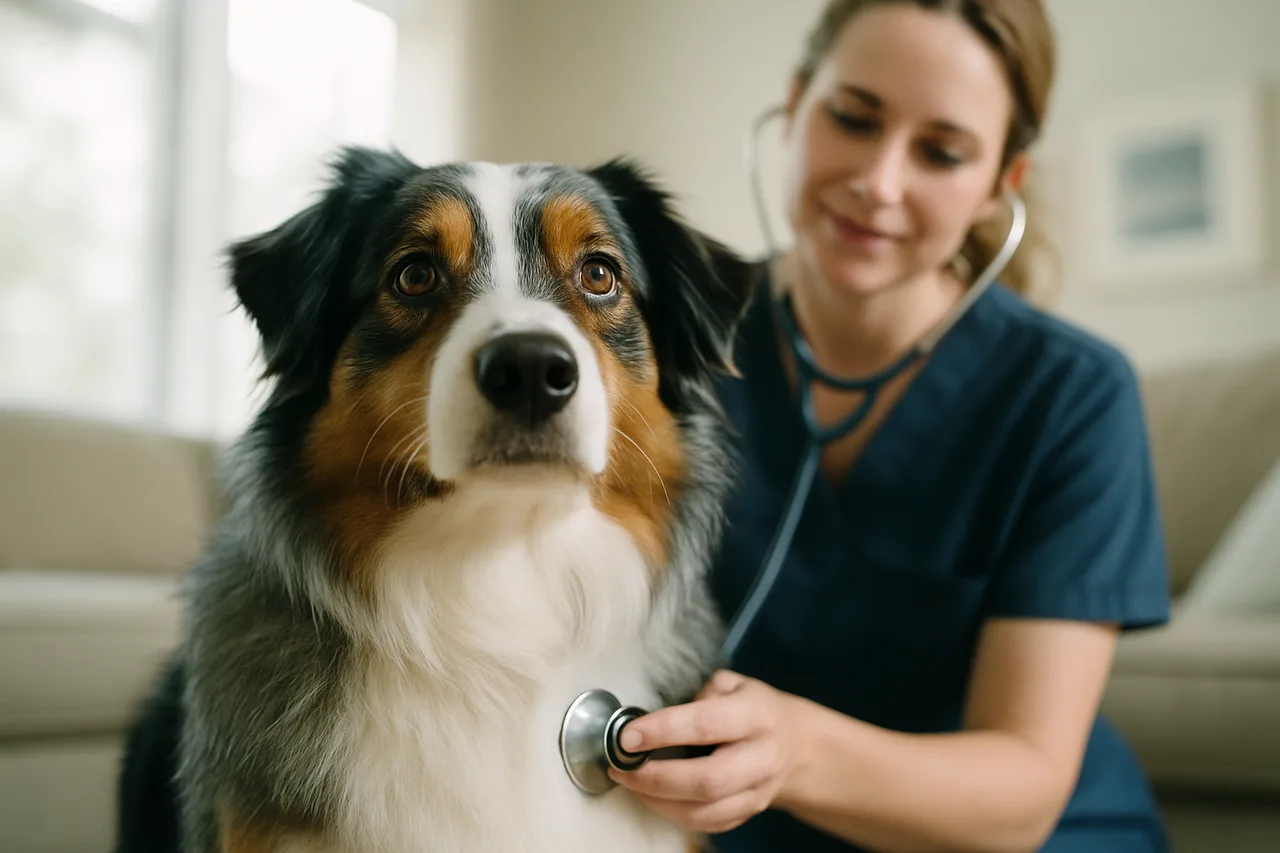 Cardiac Auscultation in Exotic Animals and the Role of the ECG Cardiac auscultation is central to cardiovascular diagnosis in birds, reptiles and small mammals. Explore the challenges, techniques and how the ECG completes the exam.
 -
 How to reduce anesthetic risk in veterinary practice Anesthetic risk is the likelihood of complications during anesthesia. Discover the key risk factors and practical strategies to make every procedure safer in your veterinary clinic.
 -
 9 Ways to Reduce Wait Times at Your Veterinary Clinic Nine practical strategies to streamline your veterinary clinic's workflow, shorten queues, improve the client experience, and lower stress for the animals in your care.
 -
 6 Types of Anesthesia Used in Animals: Know Your Options and How to Choose the Best One Discover the 6 main types of veterinary anesthesia, their risks, and how to choose the right technique based on the patient's size, the procedure, and overall health.
 -
 Veterinary pulse oximetry: why monitoring matters for animal health Veterinary pulse oximetry measures oxygen saturation (SpO2) non-invasively and is key to assessing gas exchange and tissue oxygenation in animals.
 -
 8 Factors That Can Interfere With an ECG Reading An ECG maps the heart's electrical activity, but several factors can compromise the trace. See 8 situations that interfere with the reading and how to keep results reliable.
 -
 Veterinary Care Protocols: What They Are and Why They Matter Veterinary care protocols standardize treatment, prevent errors, and add legal protection. Learn what they are, why they matter, and how to put them in place.
 -
 What does it take to work as a veterinarian abroad? Practicing veterinary medicine abroad appeals for its technology, pay and fresh clinical approaches, yet it calls for degree recognition, certifications, language proficiency and a work visa.
 -
 High-definition oscillometry vs. traditional oscillometry: what actually changes? See how high-definition oscillometry differs from the traditional method, from cuff deflation to sensors, and what it means for accuracy and comfort in veterinary practice.
 -
 Surgical Risk: the ASA classification in veterinary medicine The ASA classification standardizes assessment of a patient's preoperative health status, helping the veterinarian anticipate risks and plan anesthetic and surgical management.
 -
 How to finance veterinary equipment with Finame (BNDES) Finame, the BNDES credit line, finances Brazilian-made veterinary equipment with competitive rates and long terms, without straining your clinic's cash flow.
 -
 Domestic equipment suppliers: 4 advantages for veterinary clinics Choosing veterinary equipment from a local manufacturer means faster technical support, quicker access to spare parts, lower import costs and speedier delivery.
 -
 What are the advantages of cloud-based exams for veterinarians? Cloud-based exams deliver remote, secure and integrated access to patient data. Discover the 7 advantages for veterinary clinics and how to connect equipment to the software.
 -
 7 Techniques to Reduce Patient Stress During Veterinary Physical Exams Stress during physical exams harms the patient and clouds the diagnosis. Explore 7 practical techniques to make the visit calmer for animals, owners, and veterinarians.
 -
 When should you refer a patient to a veterinary cardiologist? Learn when to refer a patient to a veterinary cardiologist: the clinical signs, common cardiac conditions, and diagnostic findings that warrant specialist evaluation.
 -
 ECG vs. echocardiogram in veterinary medicine: what is the difference? Understand how a veterinary ECG differs from an echocardiogram, what each test measures and when to choose each one for diagnosing heart disease in pets.
 -
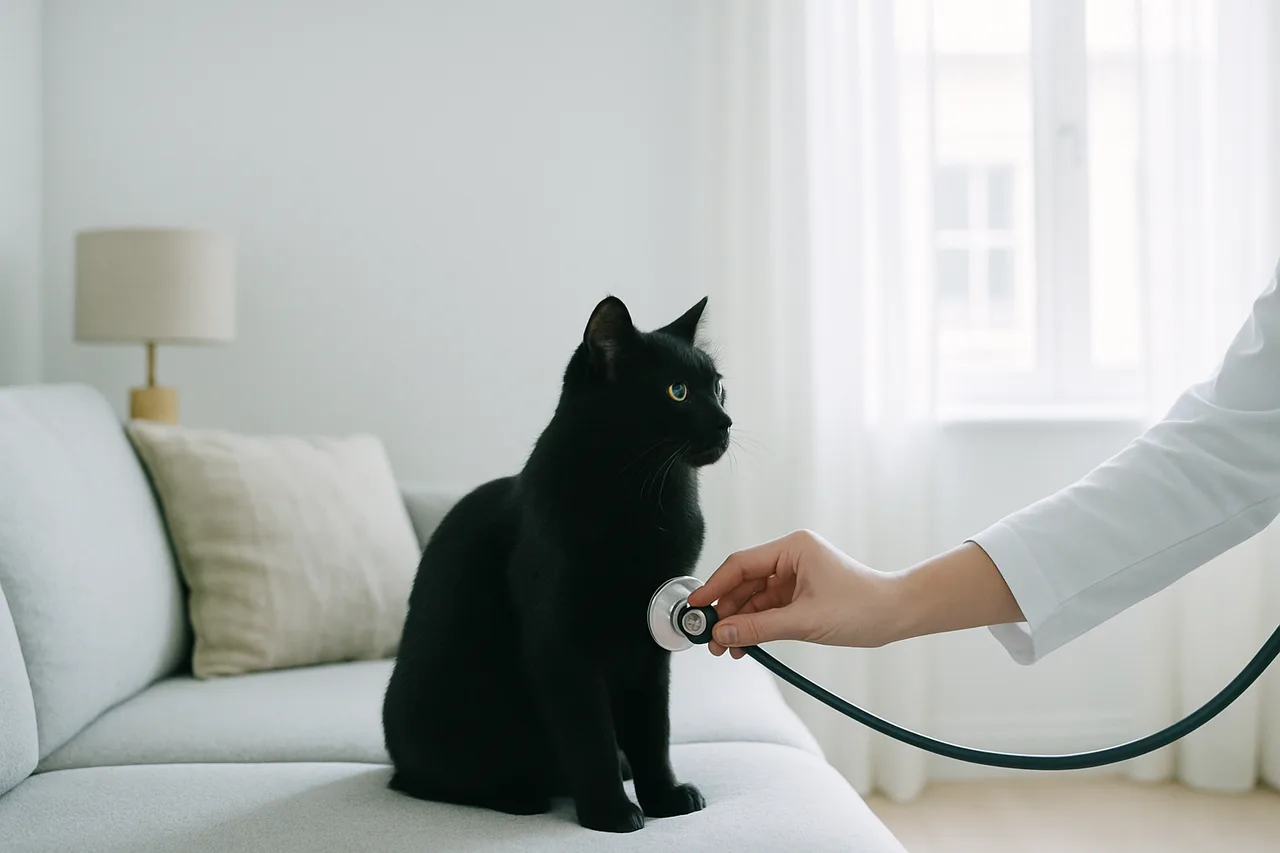 Cardiac Evaluation in Dogs and Cats: When to Refer? Learn when to refer a dog or cat for a cardiac evaluation, the key warning signs to watch for, and the most common tests, from ECG to echocardiography.
 -
 High Blood Pressure in Dogs: Symptoms and Diagnosis Learn what high blood pressure in dogs is, its main causes, the warning signs to watch for, and how canine hypertension is diagnosed by a vet.
 -
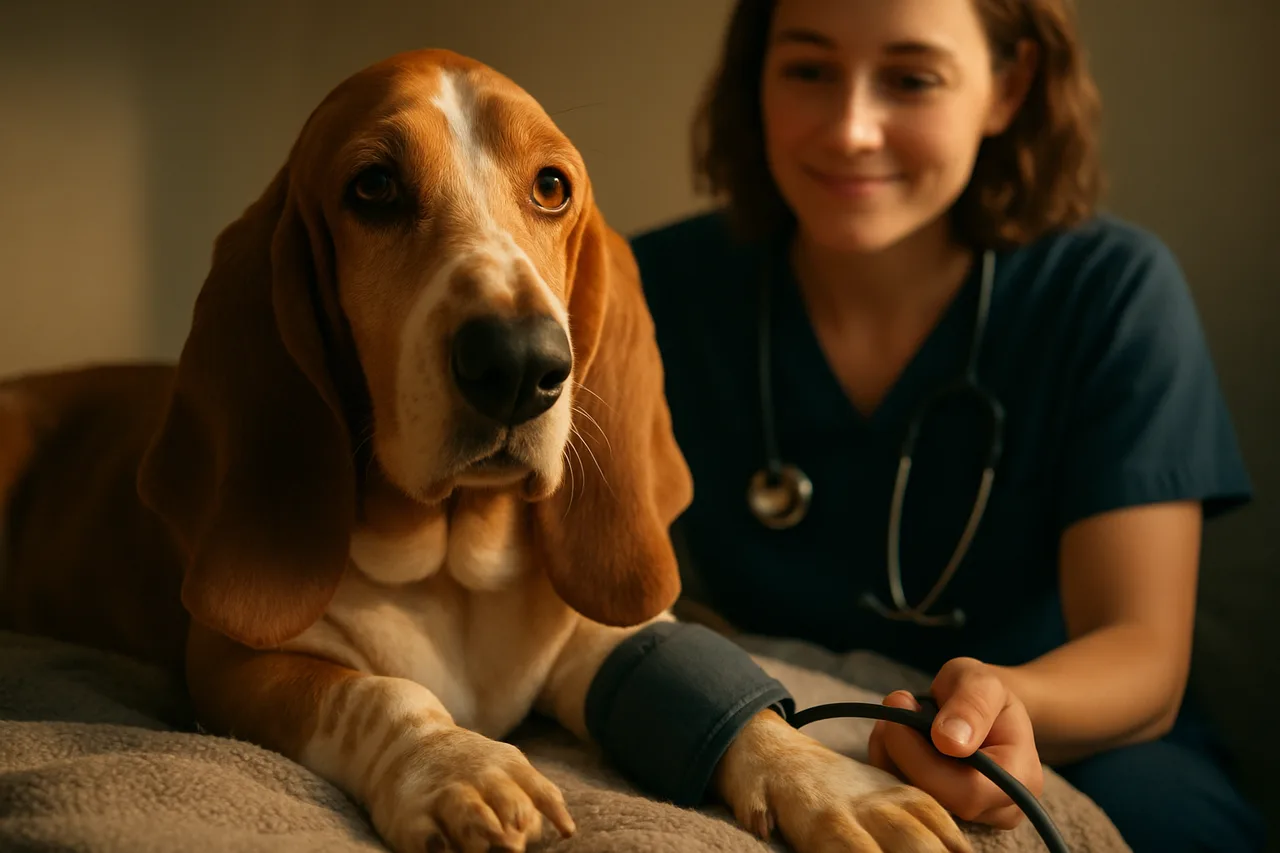 4 Methods for Measuring Blood Pressure in Veterinary Patients Explore the invasive and non-invasive methods for measuring blood pressure in veterinary patients, their pros and cons, and how to pick the right one for each animal.
 -
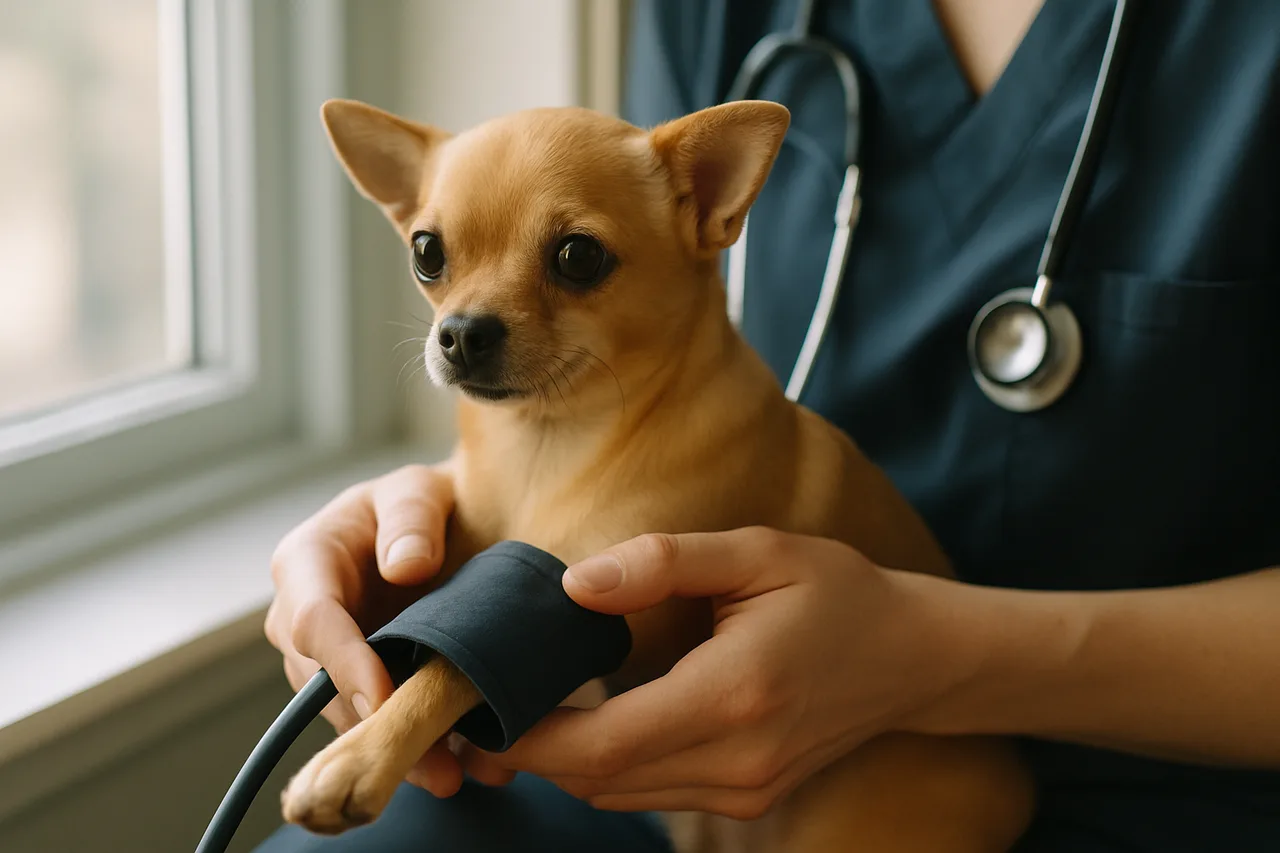 INpulse BPScan: 11 reasons to choose our veterinary blood pressure monitor Meet the INpulse BPScan, a veterinary blood pressure monitor built on high-definition oscillometry, and the 11 reasons to bring it into your clinic.
 -
 Veterinary marketing: how to attract new clients? Practical marketing strategies for veterinary practices: win new clients, retain current ones, differentiate your brand and grow your clinic sustainably.
 -
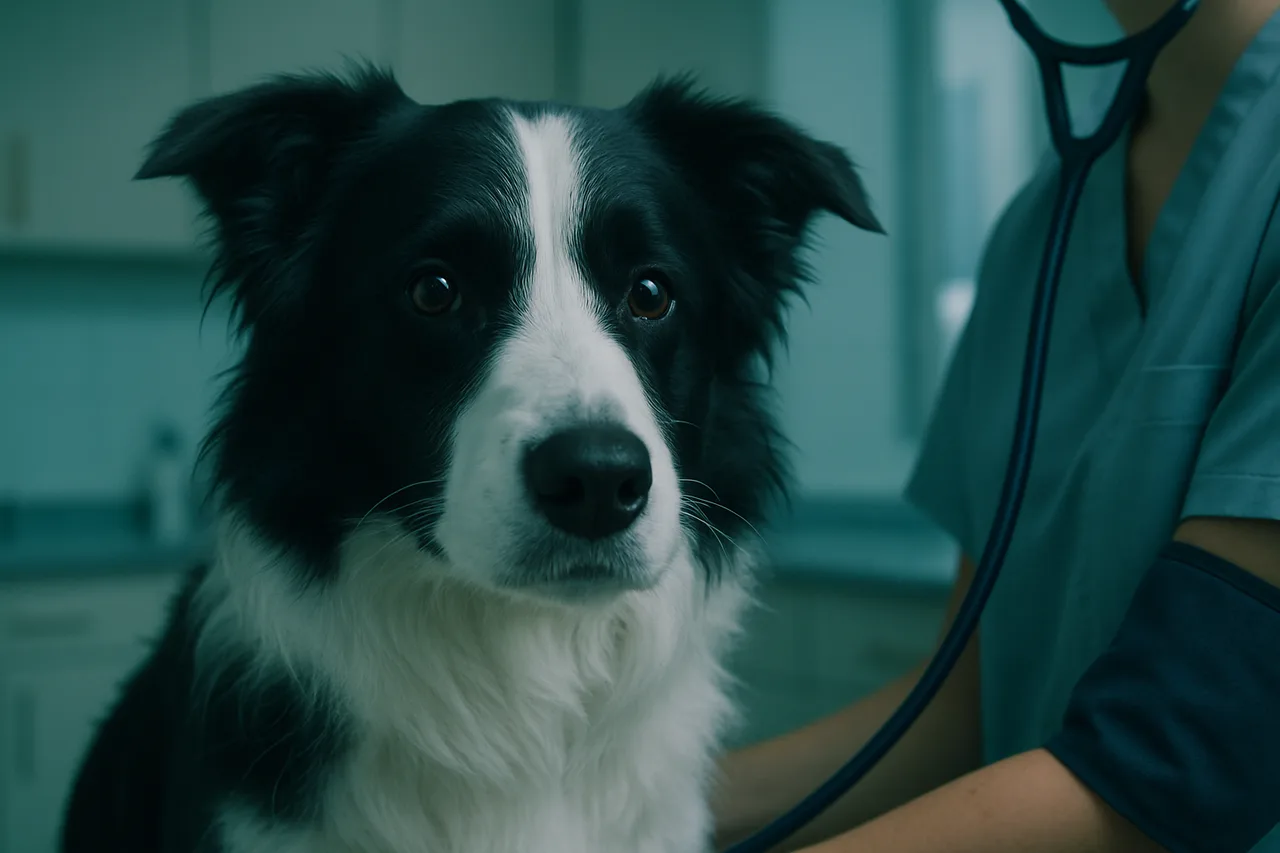 Legal Liability in Veterinary Anesthesia Procedures Understand legal liability in veterinary anesthesia: professional standards, required documentation and preventive measures to ensure patient safety and avoid litigation.
 -
 Veterinary Anesthetic Monitoring: Why It Matters for Clinical and Legal Compliance Anesthetic monitoring tracks an animal's vital signs throughout anesthesia, lowering risk, catching complications early and meeting the standard of care clinics are held to.
 -
 How to offer veterinary cardiology services with ECG telemedicine ECG telemedicine lets veterinary cardiologists widen their reach, see patients remotely and deliver early detection of heart disease in pets.
 -
 Veterinary Telemedicine in Practice: 8 Applications to Know Veterinary telemedicine pairs technology with clinical expertise to deliver more efficient, accessible care. Explore the concept, the benefits, and 8 practical applications for your practice.
 -
 7 Financial Management Mistakes Veterinary Clinics Should Avoid Discover the 7 most common financial management mistakes in veterinary clinics, how to avoid them, and the benefits efficient administration brings to business growth.
 -
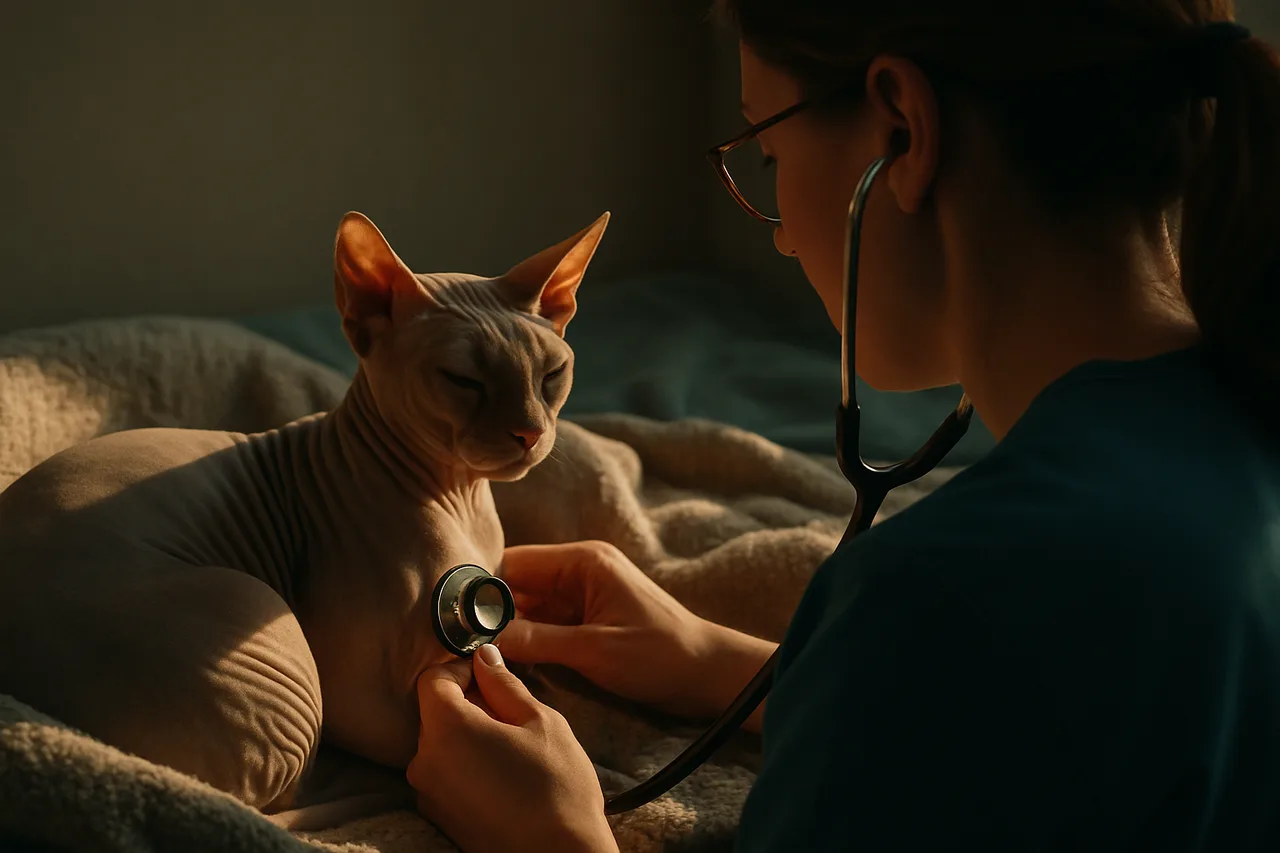 What does a veterinary pre-anesthetic evaluation involve? The veterinary pre-anesthetic evaluation flags risks, tailors the anesthetic plan and prepares the patient, improving the safety and success of surgery in animals.
 -
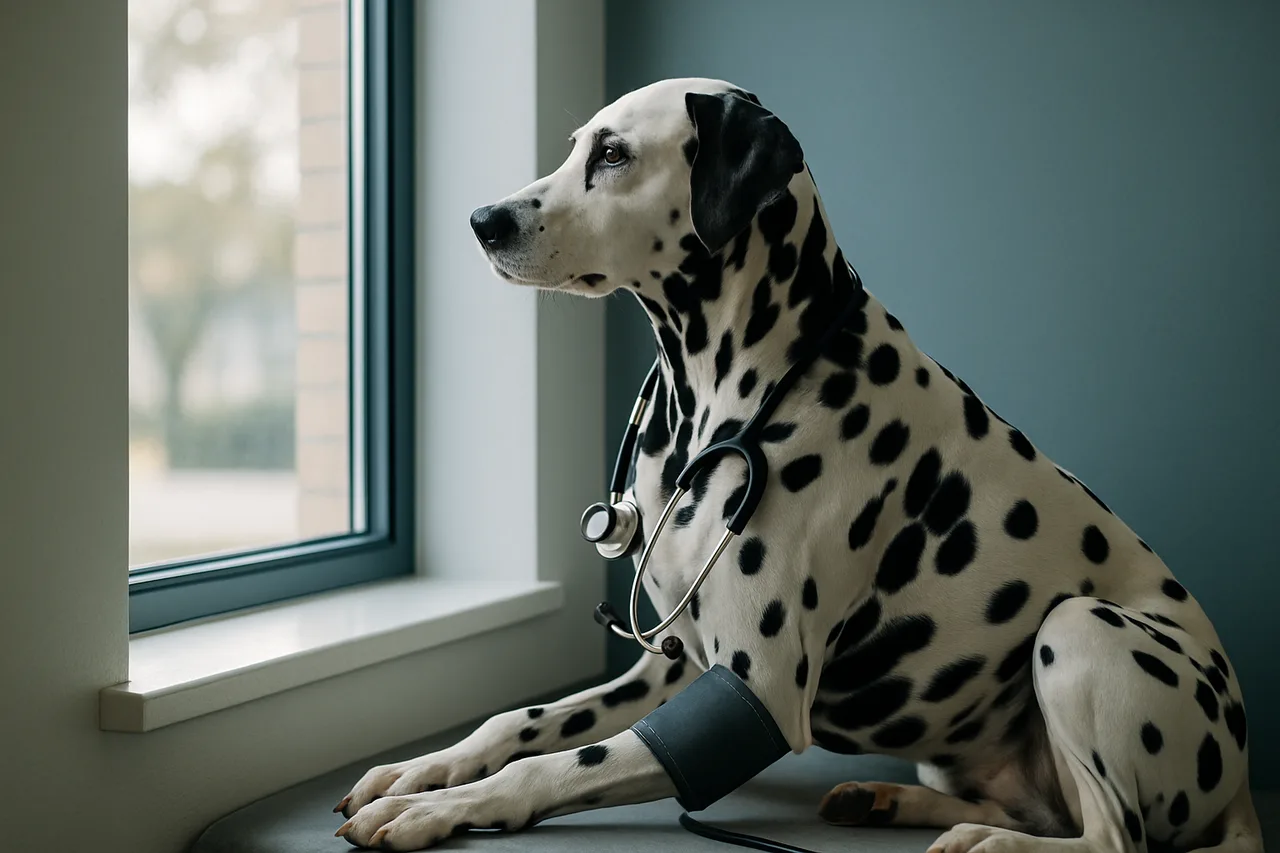 Veterinary telemedicine: what it is and how it benefits your clinic Learn what veterinary telemedicine is, how it differs from teleconsultation, and the benefits for your clinic: access, efficiency, remote monitoring, and less stress.
 -
 Veterinary ECG: what it is and why your clinic should offer it The veterinary ECG records the heart's electrical activity in dogs and cats, enabling early arrhythmia detection and safer surgical procedures.
 -
 6 Veterinary Technology Trends That Streamline Everyday Clinic Work Explore 6 veterinary technology trends that boost productivity, sharpen diagnostics, and make communicating with pet owners easier in daily clinic practice.
 -
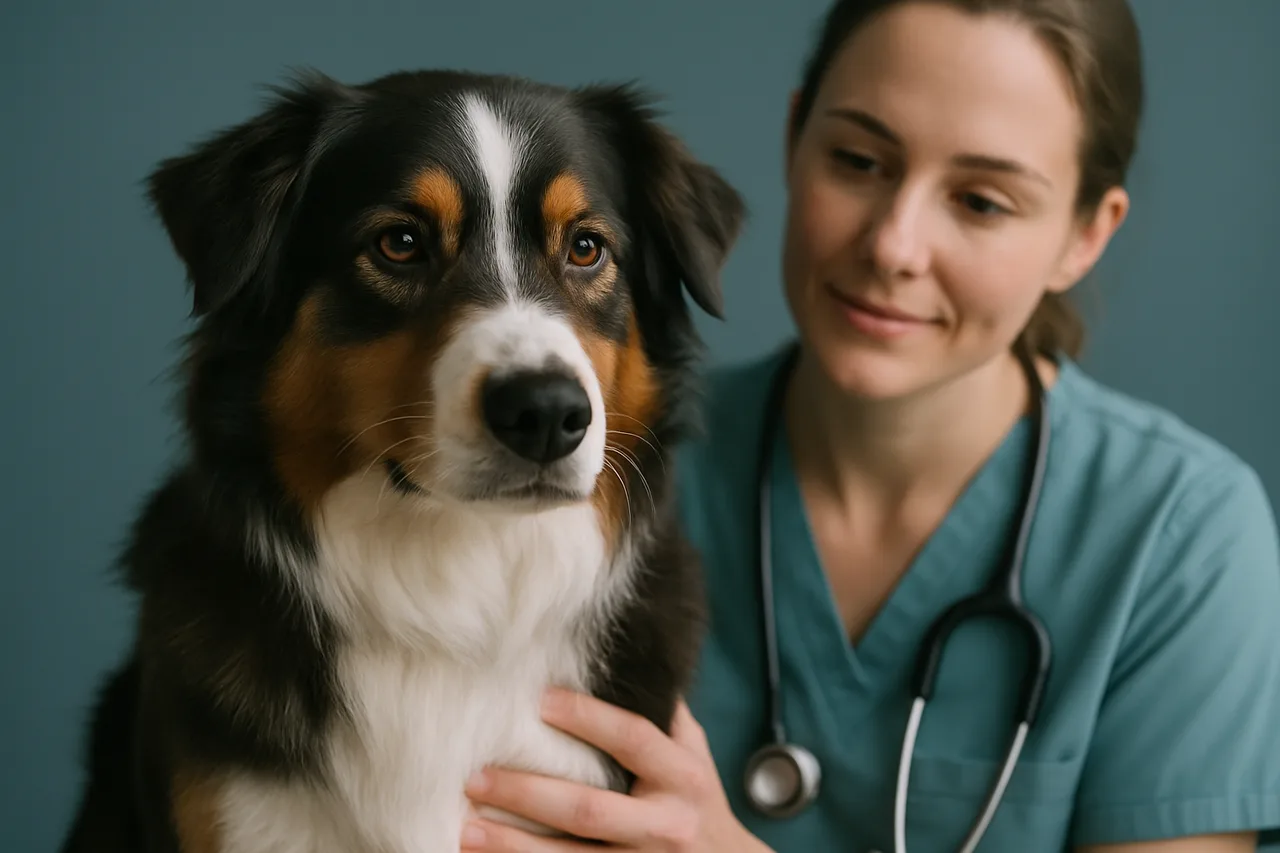 Canine Heart Disease: The Most Common Conditions Learn what canine heart disease is, its causes, the 6 most common types with their symptoms and treatment, and why early diagnosis is so important.
 -
 How to improve veterinary clinic management? Veterinary clinic management spans financial planning to client satisfaction. See the benefits and 6 practical tips for running a more efficient, modern practice.
 -
 Estimating Stellate Ganglion Nerve Activity in Dogs: A New Approach for Veterinarians Across Every Specialty Estimating stellate ganglion activity through skin sympathetic nerve activity (SKNA) is emerging as a promising tool to diagnose and monitor cardiac conditions in dogs.
 -
 How to talk with the owner of a patient in chronic pain Chronic pain in dogs and cats is hard to spot. Learn which signs to watch for and what to ask the owner so you can recognize it and improve the pet's quality of life.
 -
 Oscillometry vs. Doppler: Which Is the Safer Choice for Your Patient? A side-by-side look at the noninvasive blood pressure methods used in pets, Doppler and high-resolution oscillometry, and what the evidence points to as the safer choice.
 -
 Antibiotic Resistance: What Is the Veterinarian's Responsibility? Antibiotic resistance is climbing to dangerous levels worldwide, in veterinary practice and human medicine alike. See how the veterinarian is part of the solution.
 -
 Rabies Vaccination: What Is My Responsibility? Vaccination protects more than the individual. After 38 years, Brazil's Santa Catarina confirmed a human rabies case, a reminder of why vaccinating and preventing matters.
 -
 Systemic Hypertension in Dogs and Cats: What's New? Key ACVIM takeaways on blood pressure measurement and diagnosing systemic hypertension in dogs and cats, from measurement technique to treatment decisions.
 -
 Coaching for veterinarians: what it is and how to know if you need it Coaching is professional training that helps the veterinarian close the gap between where they are today and where they want to go in their career and life.
 -
 A Veterinary Career Success Story: How to Decide Where Your Path Goes Next A firsthand account of career transitions in veterinary medicine and the tools that help you choose your next move: self-knowledge, purpose, core values and a SWOT analysis.
 -
 4 reasons to order a pre-surgical ECG A pre-operative ECG makes the patient safer, helps you weigh surgical and anesthetic risk, and guides drug selection. Here are 4 reasons to order it.
 -
 The role of the ECG in preoperative workups for dogs and cats Before surgery in dogs and cats, even those without symptoms, the veterinary ECG is essential to gauge anesthetic risk and uncover hidden heart disease.
 -
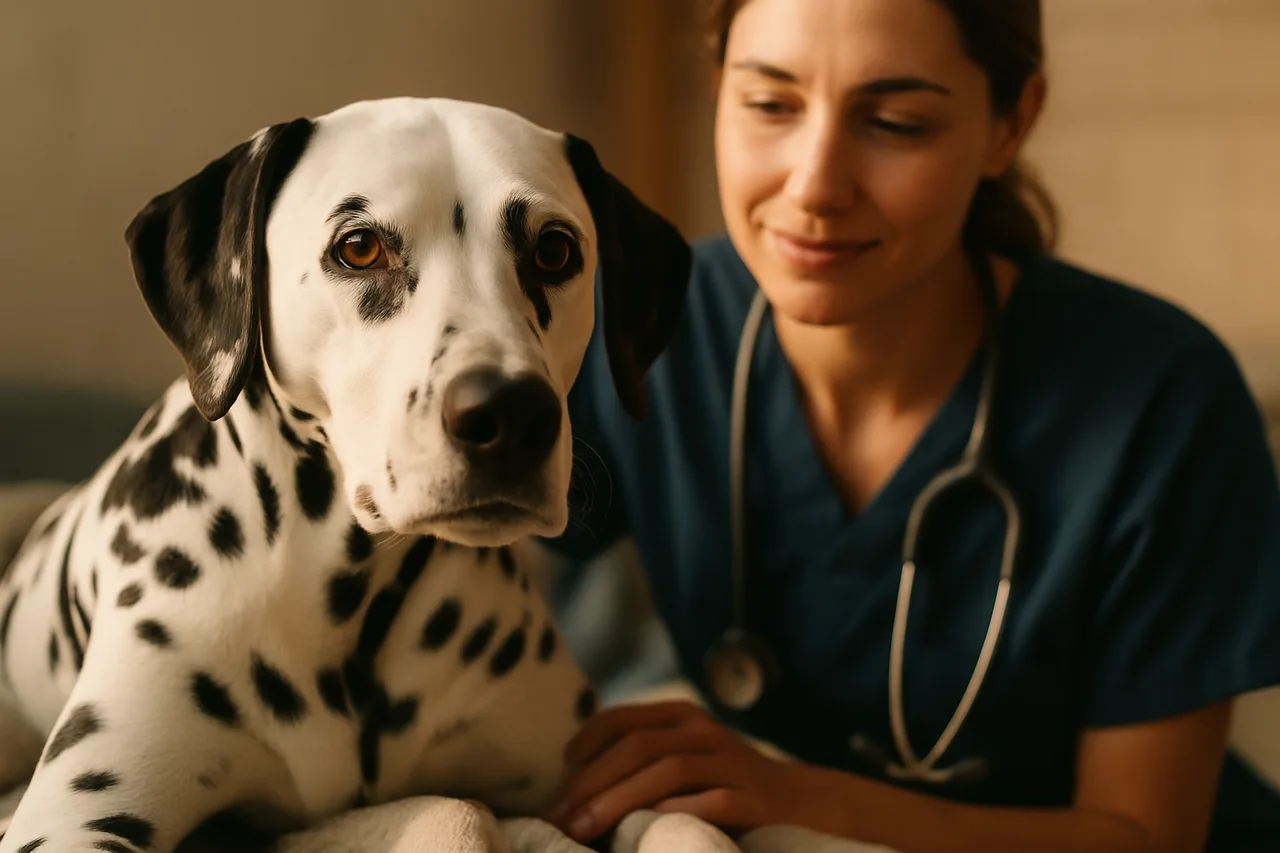 Ozone therapy in veterinary medicine: a complete guide Ozone therapy uses medical ozone as a therapeutic agent across many conditions in dogs, cats and horses, including disorders of the circulatory system.
 -
 How to treat false pregnancy in female dogs False pregnancy, or pseudocyesis, affects more than half of intact female dogs. Learn how to diagnose, treat and prevent this hormonal imbalance.
 -
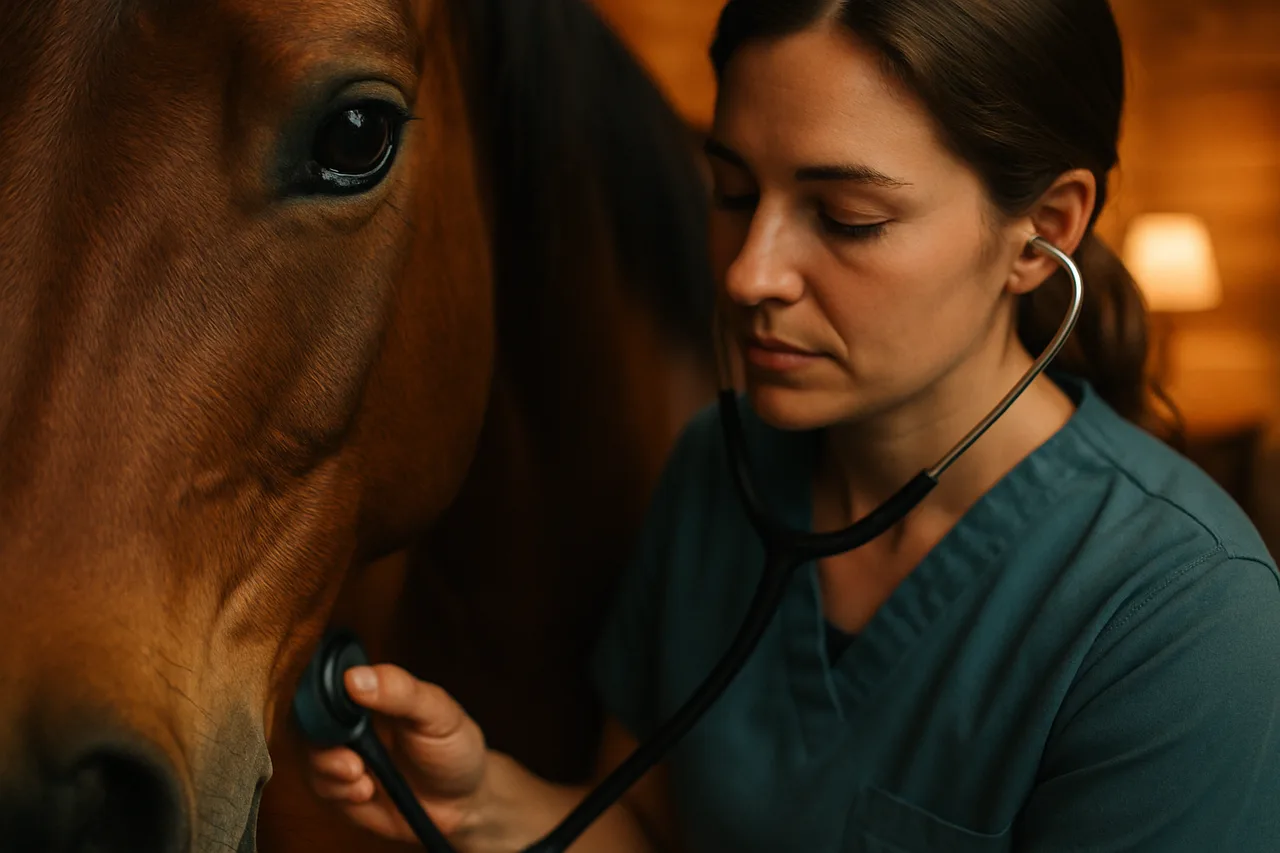 Why ECG Testing Matters in Equine Athletes Veterinary cardiology is central to equine sports medicine. See how the ECG detects arrhythmias, shapes prognosis, and helps assess athletic performance in horses.