

B2B buying guide: how to choose a veterinary multiparameter monitor
Which parameters a veterinary multiparameter monitor needs (ECG, SpO2, NIBP, ETCO2, temperature and RR), why capnography became a safety standard, and how to align the choice with anesthetic monitoring guidelines and cloud connectivity.
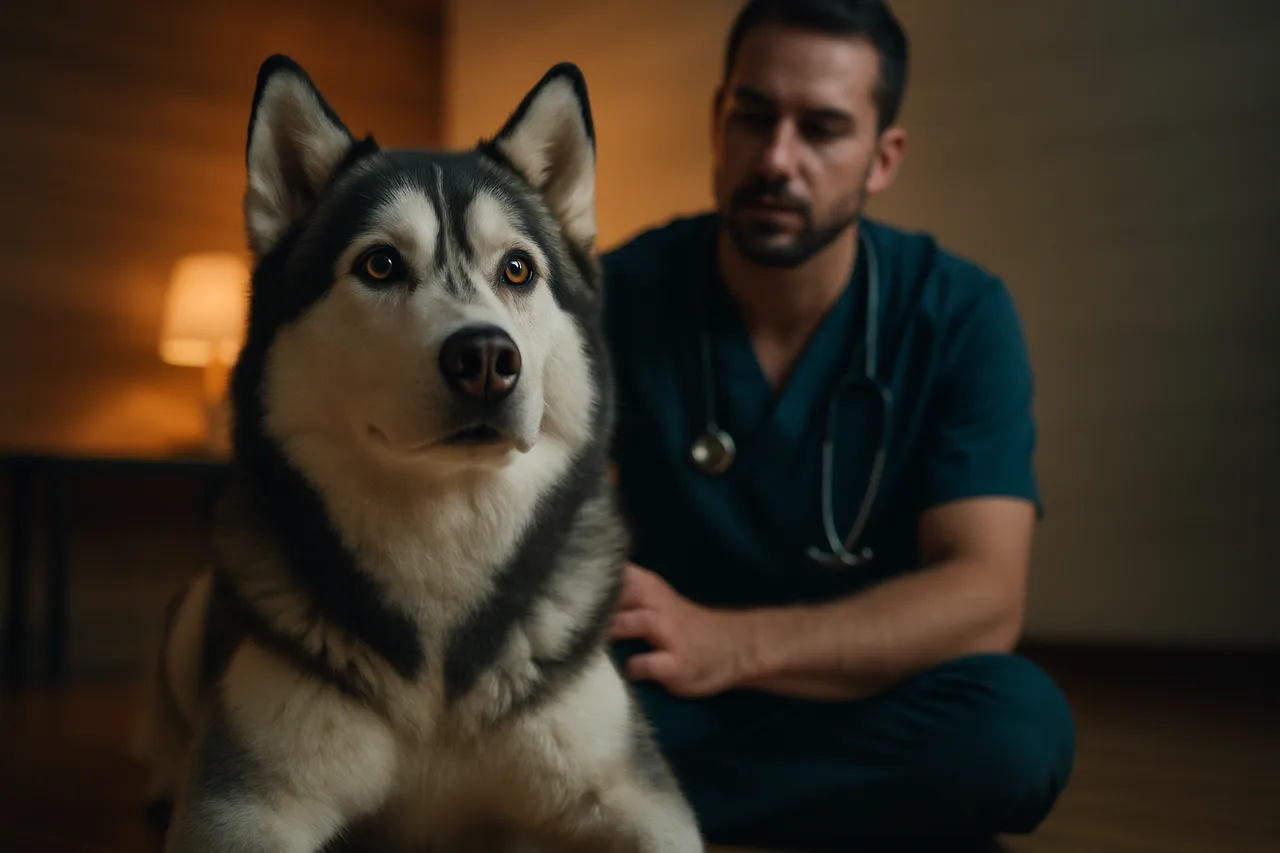
To choose a veterinary multiparameter monitor, prioritize a device that brings together the essential perianesthetic parameters on a single screen: ECG, pulse oximetry (SpO2), non-invasive blood pressure (NIBP), capnography (ETCO2), temperature and respiratory rate (RR). Each parameter covers a distinct physiological function (circulation, oxygenation, ventilation and thermoregulation), and small animal anesthetic monitoring guidelines recommend assessing these functions continuously during anesthesia. Capnography, in particular, is now treated as a safety standard because it confirms ventilation, endotracheal tube integrity and provides an early warning of problems. In a B2B context (clinic, hospital, group), connectivity also matters: automatic cloud logging, per-patient history and integration into the clinic ecosystem. The final decision on which parameters are indispensable for each procedure always rests with the responsible veterinarian.
Why monitor: safe anesthesia is an obligation of means
Anesthesia in small animals is increasingly safe, but the risk is not zero. The CEPSAF study, conducted in the United Kingdom, estimated the risk of anesthesia- and sedation-related death at about 0.17% in dogs (1 in 601) and 0.24% in cats (1 in 419), with most deaths occurring in the postoperative period. The practical reading of this evidence is direct: monitoring continuously and extending care into recovery reduces avoidable outcomes.
A multiparameter monitor does not replace the anesthetist, it widens the clinician's perception. It detects trends (falling SpO2, hypotension, hypercapnia, hypothermia) before they become crises and buys time to intervene. Responsibility for the anesthetic act lies with the veterinarian, framed as an obligation of means rather than of result, and the right equipment is part of the means that support that conduct.
The essential parameters and why each one matters
ECG (electrocardiogram): shows heart rhythm and rate in real time and reveals arrhythmias that auscultation alone may miss. It is the foundation of circulation monitoring during anesthesia.
SpO2 (pulse oximetry): non-invasively estimates hemoglobin oxygen saturation and pulse rate. It is the first warning of hypoxemia and helps confirm peripheral perfusion.
NIBP (non-invasive blood pressure): hypotension is one of the most common complications under anesthesia. Oscillometric pressure measurement allows you to identify and correct pressure drops that compromise organ perfusion.
ETCO2 / capnography: measures end-tidal carbon dioxide and displays the waveform. It confirms ventilation, correct intubation and endotracheal tube integrity, and also reflects pulmonary perfusion when ventilation is constant.
Temperature: perianesthetic hypothermia is frequent and prolongs recovery, alters coagulation and pharmacokinetics. Monitoring temperature guides active warming.
RR (respiratory rate): tracks the ventilatory pattern and, together with capnography, helps distinguish hypoventilation from other causes of CO2 changes.
Capnography: the parameter that became a safety standard
Among all the parameters, capnography deserves special attention in the purchase decision. Small animal anesthetic monitoring guidelines recommend time-based capnography (inspired and expired CO2 analysis with a waveform) to assess ventilation. More than a number, the capnography waveform works as an event sensor: it flags accidental extubation, circuit obstruction or disconnection and an abrupt drop in cardiac output before SpO2 falls.
In practice, if the budget or the type of procedure allows only a few advanced features, capnography is usually what adds the most to anesthetic safety. When comparing monitors, check whether the device offers capnography (sidestream or mainstream) compatible with the size of the patients you treat and with the low flows used in small animals.
Alignment with guidelines and regulation
When evaluating suppliers, use the guidelines as an objective reference. The 2025 guidelines from the American College of Veterinary Anesthesia and Analgesia (ACVAA) bring updated recommendations for monitoring circulation, oxygenation, ventilation, body temperature, neuromuscular blockade and anesthetic depth. They are not a mandatory standard of care, but they offer a benchmark for comparing what a device covers.
In Brazil, CFMV Resolution No. 1015/2012 sets requirements for veterinary establishments, including anesthetic monitoring equipment in the surgical suite and, in recovery, monitoring of temperature, oximetry, non-invasive blood pressure and electrocardiogram. Always check the regulation in force in your jurisdiction. A monitor that covers the recommended parameters makes meeting these requirements easier, but the minimum configuration depends on the type of practice and the spectrum of cases, at the veterinarian's discretion.
Connectivity and cloud logging: the B2B differentiator
For a clinic, hospital or group, the monitor is not a standalone device: it is a data capture point. Evaluate whether the equipment automatically logs trends to the cloud, builds a per-patient history and lets you review the anesthetic record after the procedure. This structured record supports continuity of care, event auditing and communication between teams.
Connectivity also changes operations: remote access to trends, standardization across the units of a group and integration into the clinic's software ecosystem. In the INpulse portfolio, INmonitor is the connected multiparameter monitor, designed to log to INcloud and talk to the rest of the platform. When comparing options, favor suppliers whose ecosystem (hardware plus software plus cloud) grows with the operation, rather than devices that generate data trapped inside the equipment.
Anesthesia and hospitalization: two use scenarios
In anesthesia, the monitor follows the patient from induction to recovery. Since a large share of deaths occurs postoperatively, it is worth choosing equipment that can move with the patient into the recovery room rather than staying only in the surgical suite.
In hospitalization, the same set of parameters supports surveillance of critical patients over hours or days. Here, battery autonomy, easy transport between areas, alarms configurable by patient size and species and, again, continuous cloud logging to follow the patient's course all matter. A monitor that is versatile across both scenarios usually delivers more to the operation than dedicated, disconnected devices.
Buying checklist
Before closing the purchase, confirm: the monitor combines ECG, SpO2, NIBP, ETCO2, temperature and RR; it offers capnography with a waveform; it has alarms adjustable by patient size and species; it logs trends and builds a cloud history; it integrates with the clinic's software ecosystem; it is portable across surgical suite, recovery and hospitalization; and the supplier provides technical support, training and software updates.
Use this guide as a starting point, not a prescription. Defining the indispensable parameters, the minimum configuration and the monitoring protocol for each case is a clinical decision of the responsible veterinarian, adjusted to the type of practice and the profile of the patients treated.
Sources
- The American College of Veterinary Anesthesia and Analgesia Small Animal Anesthesia and Sedation Monitoring Guidelines 2025 (2025) PMID 40447502
- The risk of death: the confidential enquiry into perioperative small animal fatalities (CEPSAF) (2008) PMID 18466167
- Resolução CFMV nº 1.015/2012 (estabelecimentos médico-veterinários; equipamentos de monitorização anestésica) (2012)