

Stroke in Cats: How to Recognize, Diagnose, and Treat It
Feline stroke is a serious, under-discussed neurological emergency. Learn to spot the early warning signs, understand the causes, and act fast to protect your cat.
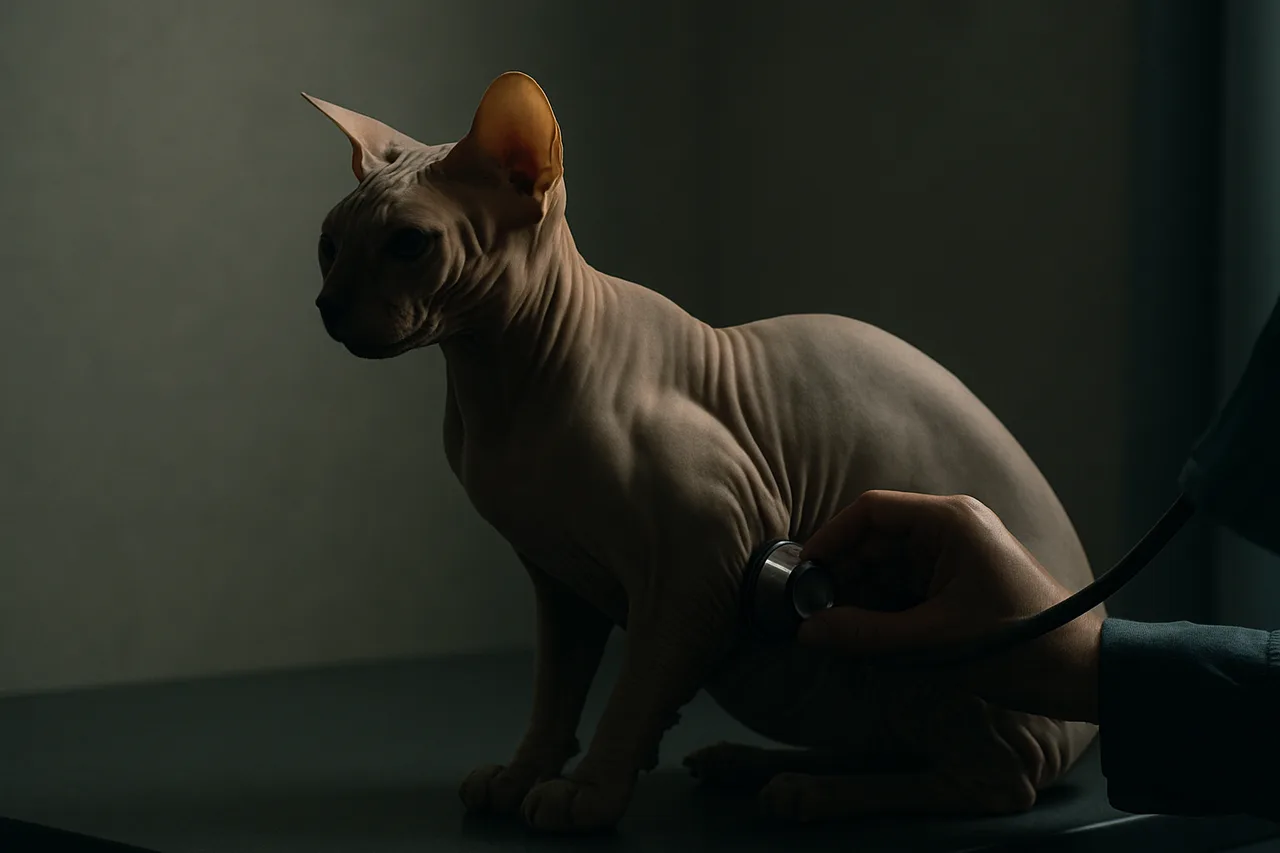
A stroke, or cerebrovascular accident (CVA), is a serious neurological event in cats that veterinary medicine still rarely talks about. Although it is less common in felines than in dogs or people, a stroke can dramatically affect an animal's quality of life. Recognizing the early signs and starting treatment quickly can change the prognosis, limiting lasting damage and supporting recovery. That is exactly what this article covers.
What is a stroke in cats?
A stroke happens when the blood supply to the brain is interrupted, causing brain cells to die and triggering neurological dysfunction. There are two main types:
Ischemic stroke: caused by a blockage in the brain's blood vessels that cuts off the delivery of oxygen and nutrients.
Hemorrhagic stroke: occurs when a blood vessel ruptures, leading to bleeding within the brain.
Both types affect the central nervous system and can lead to motor, cognitive, and behavioral changes. While there is little widely published data on how often stroke occurs in cats, clinics are reporting it more and more frequently.
Causes and risk factors for stroke in cats
Several conditions can make a cat more likely to suffer a stroke. The main causes include:
Thromboembolism: blood clots that form and block the brain's blood vessels.
Head trauma: serious head injuries can cause bleeding inside the brain.
Metabolic disorders: hypoglycemia, hyperthyroidism, and liver disease can all impair how the brain works.
Chronic disease: high blood pressure and kidney failure are important risk factors.
Monitoring underlying conditions and preventing metabolic disease can help lower a cat's risk of stroke.
Clinical signs of stroke in cats
Stroke symptoms vary depending on which part of the brain is affected. Some common signs include:
Head tilt · Loss of balance and trouble walking · Involuntary eye movements (nystagmus) · Seizures · Behavioral changes such as disorientation and aggression.
If an owner notices any of these symptoms, seeking immediate veterinary care is essential for a more favorable prognosis.
How is a stroke diagnosed in cats?
Diagnosing a stroke in cats relies on a combination of clinical and laboratory tests:
Blood and urine tests: help identify underlying conditions such as kidney or liver disease.
Blood pressure measurement: essential for detecting hypertension.
Electrocardiogram (ECG): assesses heart function and helps rule out cardiovascular disease.
Fecal analysis and blood cultures: help rule out parasitic infections.
Cerebrospinal fluid analysis: can reveal recent bleeding or inflammatory diseases of the central nervous system.
Veterinary telemedicine has also become a valuable tool for speeding up diagnosis.
How is stroke in cats treated?
Treatment aims to stabilize the patient and minimize damage to the brain. Common approaches include:
Seizure control: anticonvulsant medication to reduce seizure activity.
Oxygen therapy: improves oxygen supply to the brain.
Blood pressure medication: helps prevent further stroke episodes.
Reducing brain swelling: corticosteroids and diuretics may be indicated.
Anticoagulants: help prevent new clots from forming.
Physical therapy support may also be recommended to aid the cat's motor rehabilitation.
Conclusión
Stroke in cats is a condition that demands fast intervention to protect the animal's quality of life. Spotting the signs early, combined with appropriate treatment, can reduce lasting damage and significantly improve recovery.
Sources
- Cerebrovascular disease in dogs and cats. (2010) PMID 19942057
- MRI and clinical characteristics of suspected cerebrovascular accident in nine cats. (2018) PMID 28820279
- ACVIM consensus statement: Guidelines for the identification, evaluation, and management of systemic hypertension in dogs and cats. (2018) PMID 30353952
- ISFM Consensus Guidelines on the Diagnosis and Management of Hypertension in Cats. (2017) PMID 28245741
- ACVIM consensus statement guidelines for the classification, diagnosis, and management of cardiomyopathies in cats. (2020) PMID 32243654