

Is Anesthetic Monitoring Mandatory? What the Standards Say and Why It Protects Both Patient and Practice
In Brazil, the CFMV rule for veterinary establishments requires anesthetic monitoring equipment. Understand the duty to monitor vital signs as both a patient-safety and a legal-protection argument for the practice.
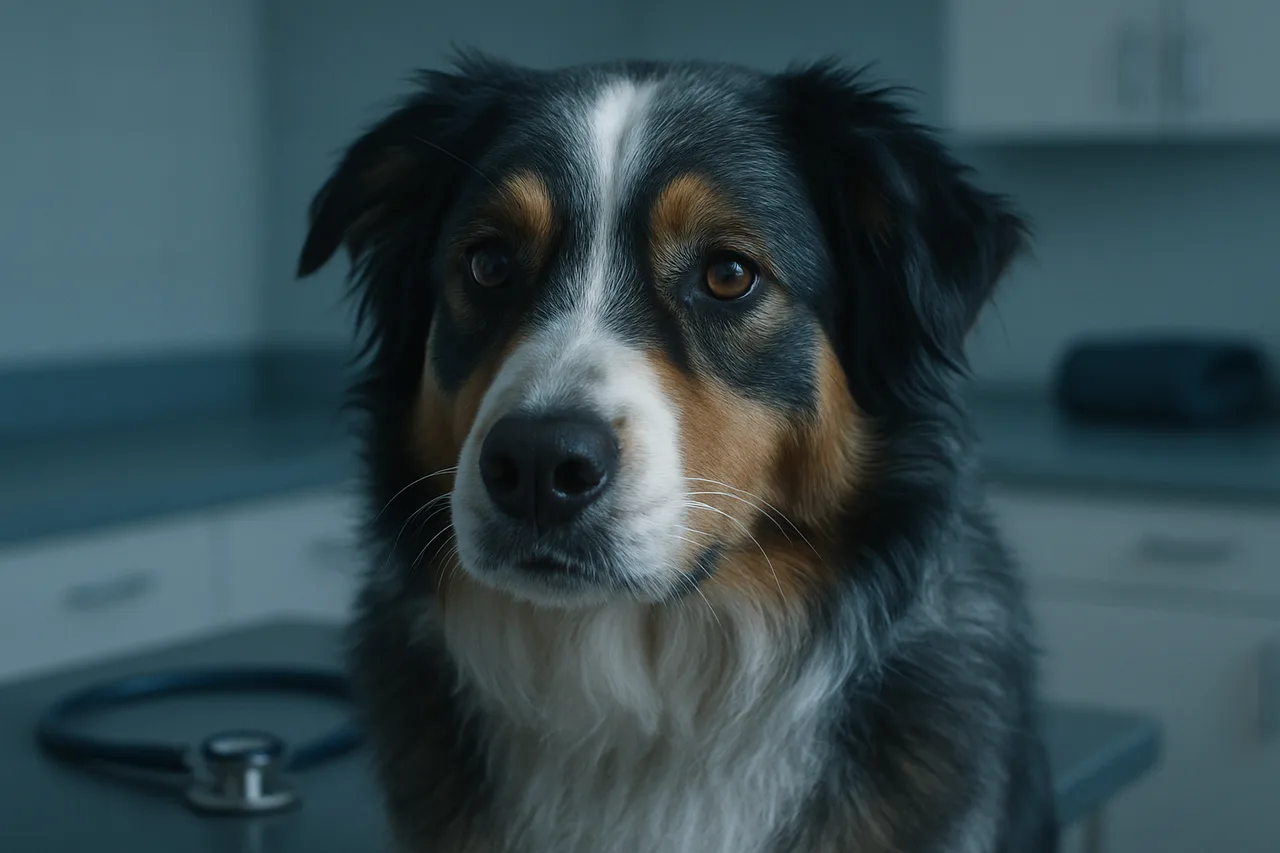
Anesthetic monitoring is the continuous tracking of a patient's vital signs during sedation, anesthesia and recovery. In Brazil, the Federal Council of Veterinary Medicine (CFMV) rules for veterinary establishments list, among the equipment expected for the anesthetic act, monitoring instruments covering at minimum body temperature, oximetry, non-invasive blood pressure and electrocardiogram. In practice, monitoring has shifted from a competitive advantage to part of the baseline structure expected of any team performing procedures under anesthesia.
What the CFMV requires (and what changed in the rule)
The historical reference is CFMV Resolution No. 1015/2012, which set operating conditions for veterinary establishments. In its annexes, when describing the surgical room and the anesthetic recovery unit, the rule literally required anesthetic monitoring equipment covering at minimum body temperature, oximetry, non-invasive blood pressure and electrocardiogram, alongside heating and oxygen-supply systems.
Note a point that often causes confusion: Resolution 1015/2012 was revoked by CFMV Resolution No. 1275/2019, which updated establishment rules and gave the professional more autonomy to define spaces and equipment according to their routine. For that reason, the resolution number alone should not be cited as a current obligation without checking. What remains solid is the principle: an establishment that performs anesthesia must have the means to monitor the patient, and the veterinarian is accountable for how that monitoring is conducted. The exact wording and limits in force today should be confirmed against the current CFMV text.
Add to this the duty to record. Documentation in the patient file, including the anesthetic record, is part of good practice and may be requested by the Regional Councils (CRMV) at any time. Monitoring without recording weakens both clinical management and the professional's defense.
Which parameters to monitor: the international clinical consensus
Beyond the Brazilian rule, there is a mature technical consensus. The monitoring guidelines of the American College of Veterinary Anesthesiologists (ACVA, now ACVAA), published in 1995 and revised in 2009, organize tracking into domains: circulation, oxygenation, ventilation and temperature. For circulation, they recommend continuous awareness of heart rate and rhythm, assessment of peripheral perfusion, blood pressure and ECG. For oxygenation, pulse oximetry whenever possible. For ventilation, qualitative assessment plus capnography. And temperature measured periodically during anesthesia and recovery.
The ACVA document is explicit about the human role: frequent and continuous monitoring and recording of vital signs in the peri-anesthetic period by trained personnel, together with the intelligent use of monitors, are requirements for advancing the quality of anesthetic care. In other words, equipment supports vigilance, it does not replace it.
In 2025, ACVAA published an update of these guidelines (Veterinary Anaesthesia and Analgesia), keeping the circulation, oxygenation, ventilation and temperature domains and reinforcing neuromuscular blockade, anesthetic depth, detailed record-keeping and the use of safety checklists.
The patient-safety argument
Anesthesia carries measurable risk. The CEPSAF study (Confidential Enquiry into Perioperative Small Animal Fatalities), conducted in the UK by Brodbelt and colleagues in 2008, estimated an overall risk of anesthesia- and sedation-related death of about 0.17% in dogs (1 in 601) and 0.24% in cats (1 in 419). Even in healthy animals (ASA 1 to 2), the risk was roughly 0.05% in dogs and 0.11% in cats. These are low but not negligible figures: critical events occur even in patients deemed low-risk.
The logic of monitoring is to anticipate. Severe hypotension, hypoxemia and hypercapnia often precede a poor outcome and can be detected early through oximetry, capnography, blood pressure and ECG, allowing intervention before the situation deteriorates. The veterinary literature associates the use of pulse oximetry with a lower risk of anesthetic mortality, reinforcing that well-conducted instrumented vigilance changes outcomes.
The legal-protection argument for the practice
From a compliance standpoint, monitoring and recording is what separates a well-managed incident from an indefensible failure. When there is a structured record of vital signs throughout the procedure, the practice demonstrates a standard of care consistent with good practice and with the structure expected by the regulation. When there is none, the discussion stops being about the outcome and becomes about the absence of vigilance, unfavorable ground in any ethical or civil inquiry.
The patient file, with the anesthetic record, serves a dual function: it is a clinical tool for tracking trends and a legal document of the events of the anesthetic period. The CRMV may request records and clarifications at any time. The compliance recommendation is therefore concrete: define a monitoring protocol by procedure type and ASA risk, record values at regular intervals and archive them in a retrievable way.
The decision on which parameters and equipment to use in each case always rests with the responsible veterinarian, according to the patient, the procedure and the available structure. This content is informational and compliance-support material; it does not replace reading the rule in force nor individual clinical judgment.
Sources
- Resolução CFMV nº 1015, de 9 de novembro de 2012 (revogada pela Resolução nº 1275/2019) - texto oficial (2012)
- Resolução CFMV nº 1275, de 25 de junho de 2019 - estabelecimentos médico-veterinários (2019)
- ACVA Monitoring Guidelines Update, 2009 - Recommendations for monitoring anesthetized veterinary patients (2009)
- The American College of Veterinary Anesthesia and Analgesia Small Animal Anesthesia and Sedation Monitoring Guidelines 2025 (2025) PMID 40447502
- Brodbelt DC et al. The risk of death: the confidential enquiry into perioperative small animal fatalities (CEPSAF). Vet Anaesth Analg. 2008;35(5):365-373 (2008) PMID 18466167