

What does a veterinary pre-anesthetic evaluation involve?
The veterinary pre-anesthetic evaluation flags risks, tailors the anesthetic plan and prepares the patient, improving the safety and success of surgery in animals.
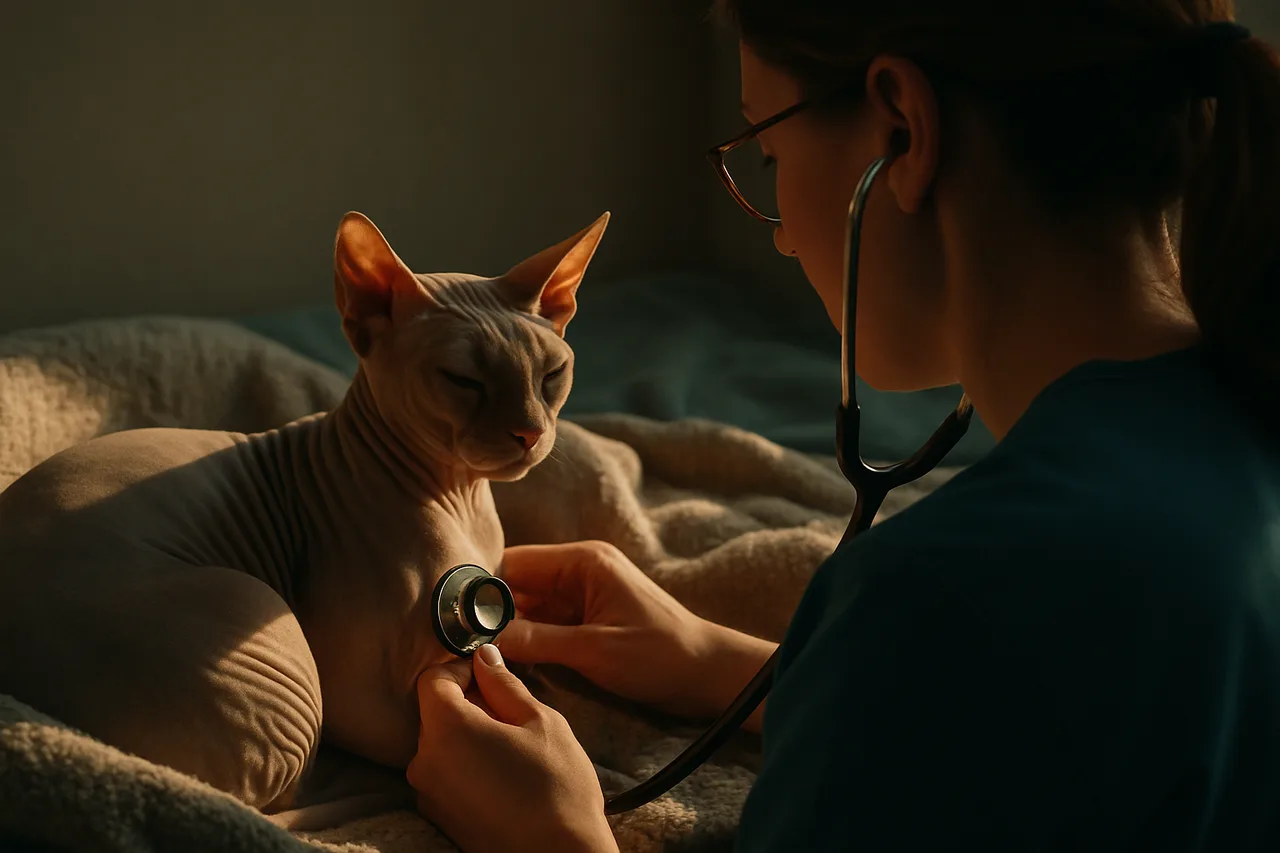
Veterinary pre-anesthetic evaluation: required exams and procedures
The veterinary pre-anesthetic evaluation is a critical step to ensure the safety and success of surgery in animals, because it allows the team to identify potential risks and properly prepare the patient for the surgical procedure.
With a thorough evaluation, veterinarians can anticipate complications, adjust medications and put in place strategies that improve the odds of a positive outcome and a smooth procedure.
In this article we will look at what the veterinary pre-anesthetic evaluation is, why it matters and the benefits it brings.
Why is the veterinary pre-anesthetic evaluation so important?
Surgical preparation in veterinary medicine is a systematic process aimed at gathering detailed information about the animal's health status before any surgical procedure.
Let's review its main goals and the benefits it adds to clinical practice.
Identifying risks
One of the main goals of the pre-anesthetic evaluation is to identify risks tied to the animal's health status. Animals, like people, can have underlying conditions that are not immediately apparent.
These conditions can raise the risk of complications during anesthesia and surgery. Undiagnosed cardiac or respiratory problems, for example, can lead to serious intraoperative complications. Through a careful evaluation, the veterinarian can detect these conditions and take appropriate preventive measures.
Tailoring the anesthetic plan
Every animal is unique, and the pre-anesthetic evaluation lets the veterinarian tailor the anesthetic plan to the patient's specific needs. This covers the choice of anesthetic agents, the dosage and the anesthetic technique.
For instance, an animal with renal failure may need a different anesthetic agent than a healthy animal, to avoid overloading the kidneys during surgery. Tailoring the anesthetic plan increases the safety of the procedure and reduces the likelihood of complications.
Optimizing the animal's physical condition
In some cases, surgical preparation in veterinary medicine can reveal that the animal is not in the best physical condition to undergo surgery. This may be due to factors such as dehydration, malnutrition or an active infection.
By spotting these conditions before surgery, the veterinarian can take steps to optimize the animal's health, such as administering intravenous fluids, antibiotics or nutritional support. Improving the animal's physical condition before surgery contributes significantly to a better prognosis and postoperative recovery.
Preventing intraoperative complications
Through the veterinary evaluation protocol, it is possible to anticipate and prevent complications that may arise during surgery.
For example, animals prone to bleeding may require special preparations, such as having blood products available for transfusion. Animals with respiratory problems may need additional ventilatory support.
Being able to anticipate these complications means the veterinarian is ready to manage them effectively, minimizing risks during the procedure.
Planning intraoperative monitoring
Continuous monitoring during surgery is essential to keep the patient safe, and pre-surgical monitoring in animals helps determine the level of monitoring each animal needs.
For example, an animal with heart disease may need continuous cardiac monitoring via ECG during surgery, while an animal with respiratory problems may need oxygen saturation monitoring.
Proper planning of intraoperative monitoring allows a quick response to any change in the patient's status, keeping the procedure safe.
These goals are essential to ensure the surgical procedure is safe and efficient, providing the best possible care for the animal.
Required exams and procedures in the veterinary pre-anesthetic evaluation
Clinical exam: includes a complete physical assessment, checking vital signs such as temperature, pulse, respiratory rate and the animal's overall condition. The veterinarian also examines the cardiovascular and respiratory systems, as well as the condition of the skin and mucous membranes.
Laboratory tests: blood work such as a complete blood count, serum biochemistry and electrolyte assessment is essential to detect issues such as anemia, infections, and liver or kidney dysfunction.
ECG for cardiac assessment: cardiac auscultation is a key technique for detecting murmurs, arrhythmias and other heart problems. However, for a more detailed and accurate assessment, an electrocardiogram (ECG) is often required. The ECG is a crucial exam that records the electrical activity of the heart.
Respiratory assessment: auscultation of the lungs and upper airways is essential to identify any respiratory abnormalities that could affect anesthesia.
Completing the anesthetic record: this document details the animal's medical history, the results of preoperative tests, the anesthetic plan and the planned monitoring. It is a crucial tool to document the entire process and ensure every step is followed correctly.
Veterinary ECG and the pre-anesthetic evaluation
The veterinary ECG is a specific exam that assesses the electrical activity of the heart. It is especially useful for detecting arrhythmias and other cardiac disorders that may not be picked up by auscultation alone.
An abnormal ECG may signal the need to adjust the anesthetic plan or even take a different surgical approach, ensuring greater safety for the patient.
4 additional procedures and precautions in the pre-anesthetic evaluation
Dental assessment: dental problems can be a source of pain and infection, affecting postoperative recovery. Assessing and, if needed, treating dental conditions before surgery is essential.
Weight and body condition assessment: the animal's nutritional status can influence the response to anesthesia and to the surgical procedure. Obese or underweight animals may require specific adjustments in anesthetic management.
Adjustments to pre-anesthetic medication: based on the evaluation results, it may be necessary to adjust the medications given before anesthesia, such as sedatives and analgesics, to ensure a smooth, effective anesthetic induction.
Specialized monitoring during surgery: animals with preexisting medical conditions may need closer monitoring during surgery. This can include continuous monitoring of blood pressure, oxygenation and anesthetic gases.
Conclusion
The veterinary pre-anesthetic evaluation is an essential process in modern veterinary medicine. It serves as the foundation for planning and safely carrying out surgical procedures in animals.
The veterinary evaluation protocol is key to ensuring the safety and success of surgical procedures in animals. It enables veterinarians to identify and mitigate risks, carefully plan anesthetic management and make informed decisions about patient care.
Adopting robust pre-anesthetic evaluation practices is essential to deliver high-quality care and positive outcomes in veterinary surgical procedures.
Sources
- The risk of death: the confidential enquiry into perioperative small animal fatalities. (2008) PMID 18466167
- Factors associated with anesthetic-related death in dogs and cats in primary care veterinary hospitals. (2017) PMID 28263113
- Influence of Comprehensive Pre-Anaesthetic Assessment on ASA Classification and Surgical Cancellations in Dogs and Cats: A Retrospective Observational Study. (2025) PMID 40711272
- Effect of routine pre-anesthetic laboratory screening on pre-operative anesthesia-related decision-making in healthy dogs. (2018) PMID 30026626
- 2020 AAHA Anesthesia and Monitoring Guidelines for Dogs and Cats. (2020) PMID 32078360