

6 Types of Anesthesia Used in Animals: Know Your Options and How to Choose the Best One
Discover the 6 main types of veterinary anesthesia, their risks, and how to choose the right technique based on the patient's size, the procedure, and overall health.
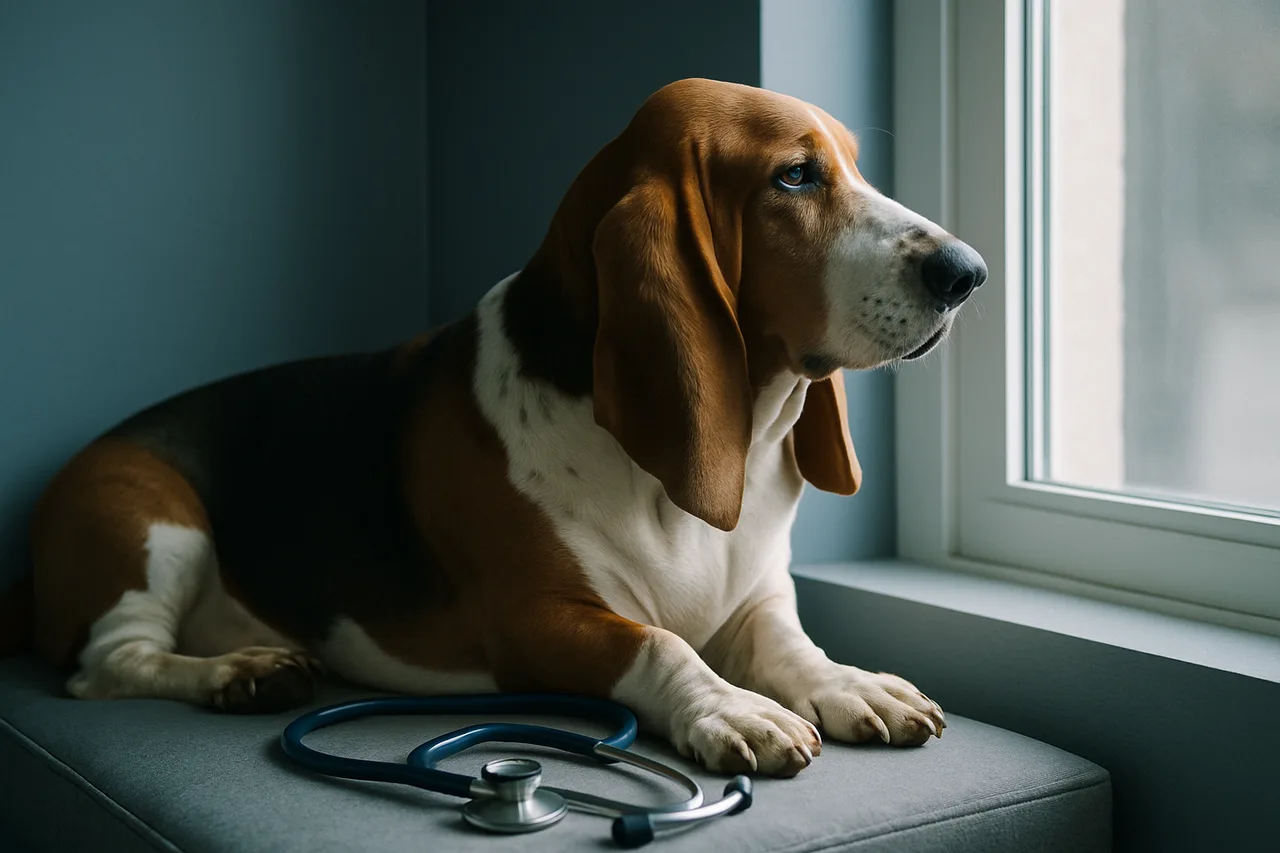
Why is anesthesia essential in veterinary procedures?
Anesthesia is far more than just a way to prevent pain during a procedure. Its use is directly tied to the animal's safety and well-being, and it also makes the veterinary team's work easier.
The main reasons for using it include reducing pain and stress. The primary role of anesthesia is to block the perception of pain so the animal does not suffer during surgical or invasive diagnostic procedures, while also reducing the stress that physical restraint alone would cause.
Safety during surgery and exams: with the animal sedated, involuntary movements are eliminated, which makes the procedure safer and more precise. This is critical in delicate surgeries or in imaging exams such as radiographs and CT scans.
Compliance with standards and regulations: using anesthesia is also an ethical and legal requirement, ensuring that veterinary procedures are carried out according to standards that prioritize animal welfare.
Controlled recovery: well-managed anesthesia allows the animal to recover smoothly, with a lower risk of postoperative complications.
What are the main types of anesthesia used in animals?
In veterinary medicine, the choice of anesthesia type depends on factors such as the animal's size, the kind of procedure, and the patient's health condition.
1. Local Anesthesia
Indicated for simple procedures such as suturing or removing small nodules. It acts on a specific area of the body, temporarily blocking pain perception at that site. It is a practical, low-cost option with few contraindications.
Risks and complications: allergic reactions to the anesthetic, and hematomas or infections at the injection site.
2. Regional Anesthesia
Used to block pain in a larger region of the body, such as a limb or the abdomen. It is very common in cesarean sections and orthopedic surgeries. Regional anesthesia provides a prolonged effect and is often combined with sedation for the animal's comfort.
Risks and complications: nerve injury, drops in blood pressure, or systemic reactions to the anesthetics.
3. Inhalational General Anesthesia
In this technique the anesthetic is delivered through the airway, usually via a mask or an endotracheal tube. It is indicated for longer or more invasive surgeries because it allows quick adjustments to anesthetic depth. Its main advantage is precise control throughout the procedure, though it requires specialized equipment.
Risks and complications: respiratory problems, hypothermia, or an adverse reaction to the anesthetic agents.
4. Intravenous General Anesthesia
Here the anesthetic is delivered directly into the bloodstream, providing a fast induction. It is indicated for short procedures or as a complement to inhalational anesthesia. Although effective, controlling anesthetic depth can be more challenging than with the inhalational approach.
Risks and complications: difficulty fine-tuning anesthetic depth, respiratory depression, or an adverse reaction to the drugs.
5. Dissociative Anesthesia
Widely used in small animals and in emergency situations, this technique induces a trance-like state in which the animal does not feel pain but keeps some motor function. It is especially useful for quick procedures and in patients that are difficult to sedate.
Risks and complications: hypersalivation, hypertension, or muscle tremors.
6. Total Intravenous Anesthesia (TIVA)
This approach uses intravenous drugs exclusively for both induction and maintenance of anesthesia. It is an alternative when inhalational anesthesia is not possible, and it offers good hemodynamic stability.
Risks and complications: an adverse reaction to the medication.
How do you choose the right type of anesthesia?
Choosing the most appropriate type of anesthesia depends on a careful assessment of several factors.
Surgical risk assessment: classifications such as the ASA scale (American Society of Anesthesiologists) help determine anesthetic risk based on the patient's clinical condition.
The animal's characteristics: factors such as size, age, species, and pre-existing conditions must be considered to minimize risk.
Type and duration of the procedure: quick procedures can be handled with local or dissociative anesthesia, while more complex interventions usually call for general anesthesia.
Available equipment and team expertise: having the right equipment and an experienced veterinary team is crucial for choosing and administering anesthesia.
Monitoring and safety during anesthetic procedures
Regardless of the type of anesthesia, constant anesthetic monitoring of the animal is essential to ensure its safety.
The main parameters to track include heart and respiratory rate, which indicate how stable the patient is; oxygenation (SpO2), which monitors blood oxygen saturation; and blood pressure, which helps detect hemodynamic changes during the procedure.
Equipment such as multiparameter monitors is indispensable for following these vital signs and adjusting the anesthesia as needed.
INmonitor: INpulse's multiparameter monitor
The INmonitor multiparameter monitor, developed by INpulse, is a complete solution for veterinary anesthetic monitoring. With it, you can assess essential parameters in real time, ensuring greater safety throughout procedures.
On top of that, INmonitor delivers accurate results with cutting-edge technology for reliable readings; an intuitive, easy-to-use interface that saves the veterinary team time; and versatility, making it ideal for animals of different sizes and species.
Conclusión
Veterinary anesthesia is a constantly evolving field, essential to safeguarding animal welfare and to the efficiency of clinical procedures.
With a solid understanding of the different types of anesthesia and the use of advanced technologies like INmonitor, professionals have valuable resources at hand to deliver safe, high-quality care.
Sources
- 2020 AAHA Anesthesia and Monitoring Guidelines for Dogs and Cats. (2020) PMID 32078360
- The American College of Veterinary Anesthesia and Analgesia Small Animal Anesthesia and Sedation Monitoring Guidelines 2025. (2025) PMID 40447502
- The risk of death: the confidential enquiry into perioperative small animal fatalities. (2008) PMID 18466167
- Is an epidural component during general anaesthesia for caesarean section beneficial for neonatal puppies' health and vitality? (2022) PMID 35500422
- Evidence for the use of total intravenous anaesthesia versus inhalant anaesthetics in dogs: a systematic review. (2026) PMID 41619705