

4 Methods for Measuring Blood Pressure in Veterinary Patients
Explore the invasive and non-invasive methods for measuring blood pressure in veterinary patients, their pros and cons, and how to pick the right one for each animal.
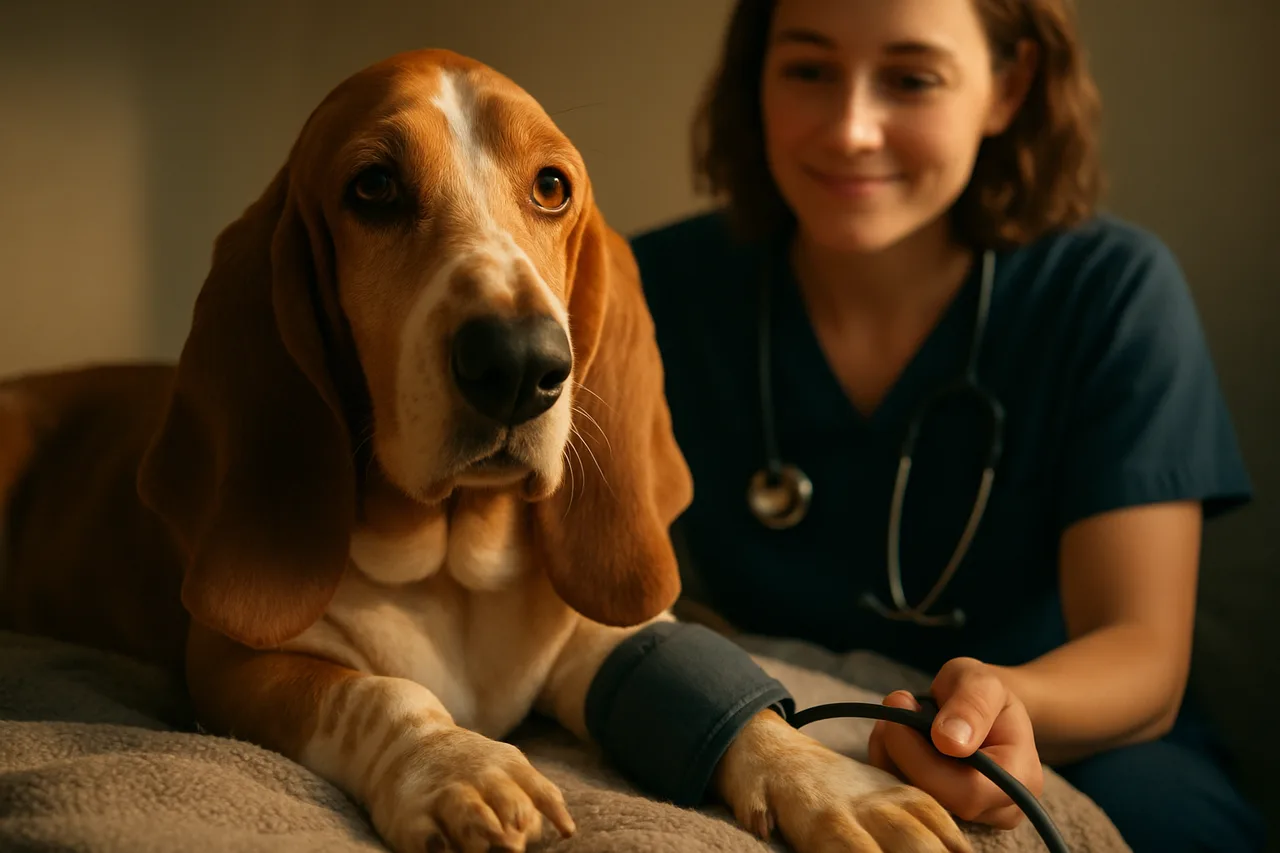
Blood pressure is one of the most important vital signs for the health of any living being, and animals are no exception. Accurate monitoring of blood pressure in veterinary patients is essential for detecting and managing conditions such as hypertension and hypotension.
These disorders can signal serious underlying problems, including heart disease, kidney disease and hormonal imbalances. Choosing the right measurement method is therefore critical to reaching an accurate diagnosis and delivering effective treatment.
Today there are several methods for measuring blood pressure in animals, which fall into two main categories: invasive and non-invasive. This article walks through each method, weighs its advantages and disadvantages, and offers guidance on how to choose the most appropriate option for each clinical situation.
Invasive blood pressure measurement methods
Invasive methods of measuring veterinary blood pressure provide direct, continuous data, but they generally require inserting a catheter into the animal's artery.
These methods are often used in critical situations or for continuous monitoring during surgical procedures.
Invasive blood pressure monitors
Invasive blood pressure monitors, such as an arterial catheter connected to a pressure transducer, allow direct and continuous measurement of blood pressure.
They are considered highly accurate and deliver real-time readings, which is vital for managing critically ill patients. However, these devices carry significant drawbacks. Catheter insertion is an invasive procedure that can lead to complications such as infection or thrombosis. On top of that, maintaining and monitoring these devices demands specialized skills and rigorous care.
Non-invasive blood pressure measurement methods
Non-invasive methods are widely used in veterinary practice thanks to their ease of use and lower risk to the animal. These methods generally measure blood pressure without inserting any invasive device, making them ideal for most patients and clinical situations.
Doppler devices
Doppler devices use the Doppler effect to estimate blood pressure. A transducer emits sound waves that are reflected by the blood flow in the arteries, and those waves are then converted into a blood pressure reading.
Doppler devices are valued for their more affordable cost. That said, they require placing a cuff in the right spot, which can be challenging in some animals. They also tend to be less accurate in small patients and measure only systolic pressure, unlike other methods that can capture systolic, diastolic and mean pressures.
Aneroid sphygmomanometers
The sphygmomanometer is used together with the Doppler to inflate the cuff to a pressure above systolic. While human readings rely on a stethoscope, veterinary practice uses the Doppler to amplify the signal and make it more audible, so the operator can hear the systolic pressure points.
Aneroid sphygmomanometers work much like those used in humans, relying on an inflatable cuff and a gauge to measure veterinary blood pressure. This method is relatively simple and affordable, which makes it a popular option in veterinary clinics.
However, the accuracy of aneroid sphygmomanometers can be affected by several factors, such as improper cuff sizing and the operator's skill. The measurement can also be uncomfortable for the animal, so it may not be ideal for every patient.
Traditional oscillometric devices
Oscillometric devices detect blood pressure by analyzing the fluctuations in cuff pressure oscillations as the cuff deflates. These devices are automatic and easy to use, which simplifies measuring blood pressure in animals in clinical settings.
Accuracy can be an issue, though, especially in small or agitated patients. The effectiveness of these devices can also vary depending on equipment quality and the technique used.
On top of that, traditional devices do not let you review the oscillometric curve. So if any interference or disturbance occurs during measurement, it is very hard to detect, and the readings may not reflect the true value.
High-definition oscillometric devices
A major step forward in oscillometric devices is the arrival of high-definition models. These devices offer greater accuracy and perform well in small patients, something earlier models could not reliably deliver.
This improved accuracy is one of their main advantages, making them an excellent choice for veterinary clinics that treat a wide range of patients, including small-breed animals.
How to choose the best veterinary blood pressure measurement method
Choosing a blood pressure measurement method should take several factors into account, including accuracy, ease of use, cost and suitability for the patient.
Accuracy · Invasive methods tend to be more accurate, but also more complex and risky. Among non-invasive methods, high-definition oscillometric devices stand out for their improved accuracy, especially in small animals.
Ease of use · Non-invasive methods such as Doppler devices are generally easier to use, but may demand more skill to obtain accurate readings. Automatic oscillometric devices, particularly high-definition ones, offer a practical and reliable solution with less need for specialized training.
Cost · Costs can vary widely between invasive and non-invasive methods. While invasive devices deliver high accuracy, they are also more expensive and require specialized maintenance. Non-invasive methods such as high-definition oscillometric devices may carry a higher upfront cost, but they offer significant advantages in ease of use and accuracy.
Suitability · The choice of method should be tailored to the specific needs of the animal and the clinical situation. For critically ill patients or situations that call for continuous monitoring, invasive methods may be necessary. For most patients, especially small and less cooperative ones, non-invasive methods such as high-definition oscillometric devices are the better fit.
Discover INpulse's high-definition oscillometric monitor
For veterinary clinics looking for a reliable and accurate device, INpulse's BPScan is an excellent option.
BPScan is a high-definition veterinary oscillometric monitor that delivers superior accuracy and suits a wide range of animal sizes, including the smallest. It pairs advanced technology with ease of use, providing fast and reliable readings that are key to an accurate diagnosis and effective treatment.
If you want to learn more about BPScan and its features, get in touch with us to request a demo. Take this opportunity to elevate blood pressure monitoring in your veterinary practice with the most advanced technology available.
Accurate blood pressure measurement is vital to animal health, and choosing the right method can make a real difference in the care you provide. Assess your needs and consider adopting methods that combine accuracy and convenience, such as high-definition oscillometric devices.
Sources
- ACVIM consensus statement: Guidelines for the identification, evaluation, and management of systemic hypertension in dogs and cats. (2018) PMID 30353952
- Comparison of high definition oscillometric and Doppler ultrasound devices with invasive blood pressure in anaesthetized dogs. (2013) PMID 22998239
- Comparison of ultrasonic Doppler flow monitor, oscillometric, and direct arterial blood pressure measurements in ill dogs. (2010) PMID 20487248
- Comparison of Doppler ultrasonic sphygmomanometry, oscillometry and high-definition oscillometry for non-invasive blood pressure measurement in conscious cats. (2024) PMID 38546192
- Influence of clinical setting and cat characteristics on indirectly measured blood pressure and pulse rate in healthy Birman, Norwegian Forest, and Domestic Shorthair cats. (2021) PMID 33675246