

How Is the Growing Cat Population Reshaping the Veterinary Market?
Cat ownership is rising fast and reshaping the veterinary market, creating new care challenges and fresh growth opportunities for clinics ready to adapt.
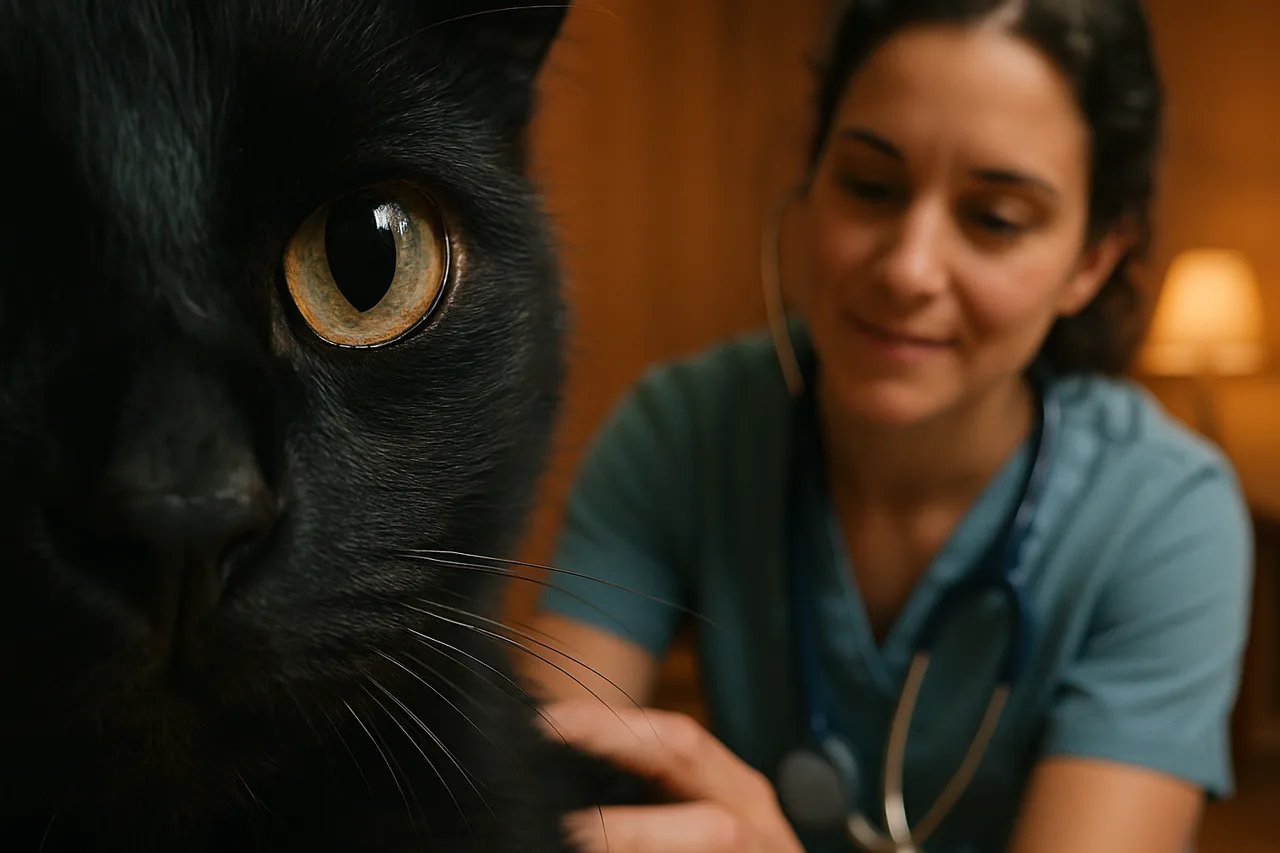
Cat ownership has grown sharply in recent years, mirroring a global trend that is reshaping the pet care market. Across many regions, adoptions are climbing fast, and cats are emerging as the fastest growing companion animal by population.
What is driving the growth of the cat population?
A preference for more independent pets: cats are known for their self sufficient nature, which makes them a great fit for people with busy schedules. Unlike dogs, they need less frequent interaction and do not depend on regular walks.
The rise of apartment living: as urbanization accelerates, more people live in smaller spaces. Cats adapt well to these environments, since they do not need yards or large areas to live comfortably.
Multiple adoptions: many owners take in two or more cats so they keep each other company, which helps reduce behavioral problems linked to loneliness.
Awareness campaigns: greater awareness of responsible adoption is also contributing to the rising cat population.
Lower costs: compared with dogs, cats generally carry lower ongoing costs, from food to routine veterinary care.
What challenges does feline care pose for veterinary clinics?
Adapting the environment: cats are highly sensitive to their surroundings. Noisy spaces, or rooms shared with dogs, trigger stress, so separate and calm areas are essential.
Handling cats: proper handling is critical to avoid stress or aggression. This includes low stress, less invasive techniques and the use of calming pheromones.
Shortage of specialized professionals: feline medicine is a field that demands specialized knowledge, since cats have distinct physical and behavioral needs.
Late diagnoses: cats tend to mask the signs of illness, which makes early diagnosis harder. This calls for closer attention and regular check ups.
How can clinics capitalize on the growing cat population?
Offer feline specific check ups: setting up regular check up programs can build client loyalty and prevent long term health problems.
Invest in specialties: specialized services such as cardiology, dentistry and feline nutrition are in growing demand.
Sell feline wellness products: offering toys, scratching posts and quality food generates additional revenue.
Train the team: preparing staff to work with feline patients is essential, including courses on handling and behavioral approach.
Adopt innovative technology: tools such as non invasive blood pressure measurement using high definition oscillometry are more convenient and reduce stress for cats.
Conclusión
The growing cat population is reshaping the veterinary market, bringing both challenges and opportunities. Clinics that adapt by offering specialized services, welcoming environments and innovative solutions will be best positioned to advance feline health.
Sources
- 2021 AAHA/AAFP Feline Life Stage Guidelines. (2021) PMID 34096393
- 2022 ISFM/AAFP Cat Friendly Veterinary Environment Guidelines. (2022) PMID 36259498
- 2022 AAFP/ISFM Cat Friendly Veterinary Interaction Guidelines: Approach and Handling Techniques. (2022) PMID 36259500
- Comparison of home blood pressure and office blood pressure measurement in dogs and cats. (2022) PMID 35794970
- Comparison of high-definition oscillometry -- a non-invasive technology for arterial blood pressure measurement -- with a direct invasive method using radio-telemetry in awake healthy cats. (2013) PMID 23813147