

High-definition oscillometry vs. traditional oscillometry: what actually changes?
See how high-definition oscillometry differs from the traditional method, from cuff deflation to sensors, and what it means for accuracy and comfort in veterinary practice.
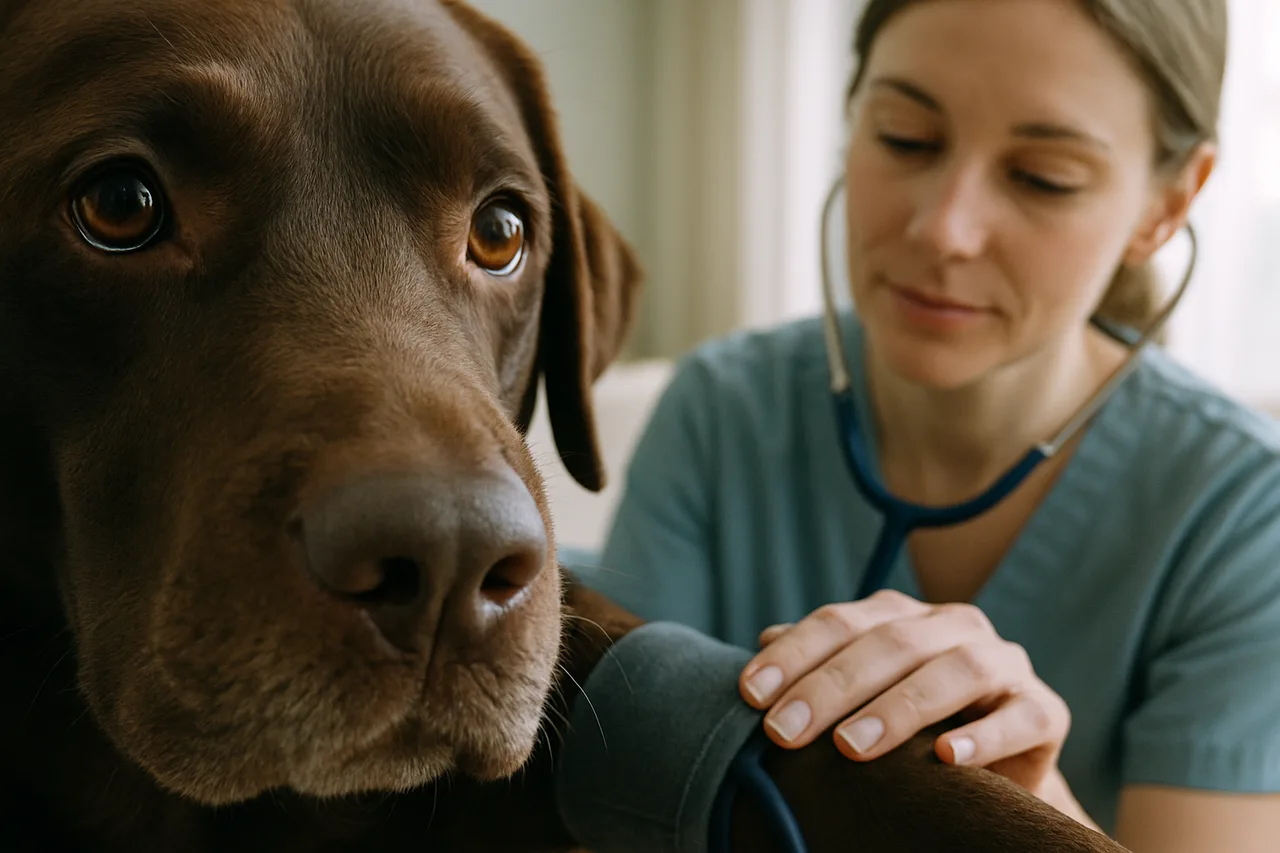
In-depth coverage in the guide: Oscillometry vs. Doppler: Which Is the Safer Choice for Your Patient?
As healthcare technology advances, oscillometric measurement methods have evolved to deliver greater accuracy and comfort during vital-sign monitoring. Within this shift, high-definition oscillometry stands out as a meaningful innovation, offering an upgraded alternative to traditional methods. This article sets out to clarify the differences between high-definition and traditional oscillometry, highlighting the benefits and capabilities of each, with a particular focus on veterinary use.
What is high-definition oscillometry?
Oscillometry is a non-invasive measurement technique used to monitor blood pressure and respiratory flow, particularly in animals. High-definition oscillometry, specifically, relies on next-generation sensors that capture the pressure oscillations produced by blood flow with superior precision. Rather than depending on segmented readings, it produces a continuous, detailed oscillometric curve that supports more reliable diagnoses.
This type of oscillometry is an optimization of the traditional approach, since it integrates technological resources that increase the device's sensitivity to capture faster, more accurate data, providing a fuller and more granular view of the patient's vital signs. Let's take a closer look at how these methods differ and where high-definition technology sets itself apart.
Key differences between traditional and high-definition oscillometry
1. Cuff deflation process
One of the most noticeable differences between traditional and high-definition oscillometry lies in how the cuff deflates. In the traditional method, the cuff deflates intermittently, in steps, which can undermine measurement accuracy and cause a degree of discomfort for the patient. Beyond being fragmented, this kind of deflation can yield less certain data and demand greater skill to interpret the results.
High-definition oscillometry, by contrast, deflates the cuff in a continuous, linear fashion, ensuring more consistent and precise readings. This process allows an uninterrupted assessment of the pressure oscillations which, in addition to improving data reliability, minimizes patient discomfort, whether the patient is a human or an animal. In veterinary settings, reducing discomfort is especially important, since animals can react negatively to uncomfortable or invasive procedures.
2. Sensor technology
Another factor that sets high-definition oscillometry apart is its sensor technology. Traditional equipment tends to use less advanced sensors that capture pressure variations in a basic way and may not be sensitive to subtle oscillations in respiratory flow. This can limit the ability to detect early changes in respiratory or pressure patterns.
High-definition oscillometry, in turn, incorporates higher-precision sensors that capture even small respiratory variations. This enhanced technology enables more detailed mapping of the oscillations, making more accurate diagnoses possible and supporting more effective monitoring of respiratory and cardiac conditions.
3. Measurement accuracy and sensitivity
Accuracy and sensitivity are critical factors in any health-monitoring exam. In traditional oscillometry, data is recorded in a segmented way, which can make it harder to interpret and analyze the values obtained with precision. High-definition oscillometry, on the other hand, delivers a continuous oscillometric curve, allowing data to be captured with far greater detail.
This improved accuracy makes for a faster, more reliable diagnosis, which is especially useful in veterinary emergencies where decisions must be made quickly. With more exact measurements, high-definition oscillometry enables continuous tracking of a patient's clinical progression, providing essential data to adjust treatment or to detect abnormalities before they become serious.
4. Calculating diastolic and systolic pressure
While traditional oscillometry provides a basic estimate of blood pressure, the high-definition version enables precise calculation of diastolic and systolic pressures, information that is essential for monitoring a patient's cardiovascular health. In veterinary practice, accurate measurement of these parameters is fundamental to diagnosing and treating cardiac diseases, which are common across many species such as dogs and cats.
With high-definition oscillometry, it is possible to obtain a clear and reliable reading of diastolic and systolic pressure, which is especially useful for veterinarians monitoring chronic diseases, where blood pressure control is essential to safeguarding the animal's quality of life.
Benefits of high-definition oscillometry
Below we list the main benefits of high-definition oscillometry and how it represents a step forward compared with traditional monitoring methods:
Greater comfort for the animal: with a gentler, continuous cuff-deflation process, discomfort for the animal is reduced, which is essential for a less stressful exam, especially in veterinary clinics.
Fewer measurement errors: advanced sensors and high-resolution data capture minimize the risk of reading errors, delivering more precise and reliable results.
Early identification of disease: the enhanced sensitivity makes it possible to detect subtle changes that may signal emerging health conditions, supporting early intervention.
Monitoring of chronic disease: patients with conditions such as hypertension or cardiac disease require constant monitoring, and high-definition oscillometry enables precise, continuous oversight, providing reliable data for treatment adjustments.
More detailed data for accurate diagnoses: capturing high-definition oscillations offers a more thorough and comprehensive analysis, helping veterinarians make decisions based on detailed, up-to-date information.
Discover INpulse devices with high-definition oscillometric technology
For those seeking a modern, effective solution for monitoring blood pressure and respiration in veterinary patients, INpulse devices represent the most advanced high-definition oscillometric technology available. Among the leading devices, two stand out:
BPScan: a monitoring device that uses high-definition oscillometry to deliver precise blood pressure readings. It is ideal for veterinary clinics that want to offer more detailed and reliable care to their patients.
INmonitor: another high-technology device, INmonitor is designed for continuous vital-sign monitoring, making it a valuable tool both for diagnosis and for following the course of chronic disease.
These devices use next-generation sensors and advanced algorithms that ensure precise measurements and minimize animal discomfort. If you want to raise the quality of monitoring in your clinic, explore the INpulse devices with high-definition oscillometric technology.
Conclusion
High-definition oscillometry represents a major innovation in vital-sign monitoring, delivering significant gains in accuracy, comfort and data reliability. With a continuous cuff-deflation process, high-sensitivity sensors and the ability to provide detailed measurements, this method is transforming veterinary care. If you are looking for a solution that delivers precise diagnoses and monitors patient health effectively, high-definition oscillometry is the path to outstanding care.
Sources
- ACVIM consensus statement: Guidelines for the identification, evaluation, and management of systemic hypertension in dogs and cats. (2018) PMID 30353952
- Comparison of high-definition oscillometry -- a non-invasive technology for arterial blood pressure measurement -- with a direct invasive method using radio-telemetry in awake healthy cats. (2013) PMID 23813147
- Comparison of Doppler ultrasonic sphygmomanometry, oscillometry and high-definition oscillometry for non-invasive blood pressure measurement in conscious cats. (2024) PMID 38546192
- Systolic blood pressure measurements with Doppler ultrasonic flow detector and high-definition oscillometry are comparable on population level but show large intra-individual differences in apparently healthy elderly dogs. (2023) PMID 36853876
- Systolic arterial blood pressure estimated by mitral regurgitation velocity, high definition oscillometry, and Doppler ultrasonography in dogs with naturally occurring degenerative mitral valve disease. (2016) PMID 27037058