

When should you refer a patient to a veterinary cardiologist?
Learn when to refer a patient to a veterinary cardiologist: the clinical signs, common cardiac conditions, and diagnostic findings that warrant specialist evaluation.
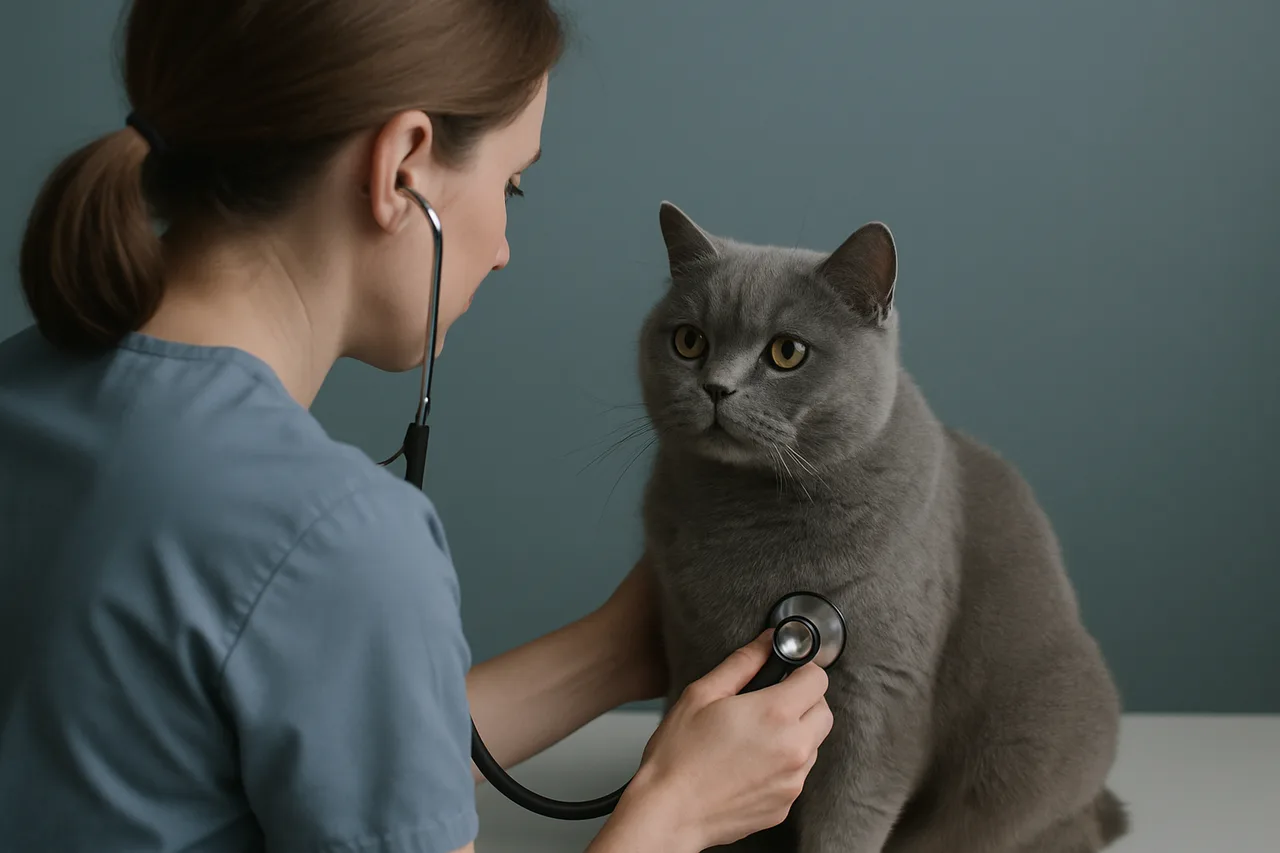
Cardiovascular health is a cornerstone of a long, healthy life for companion animals. In that context, it is essential for general practitioners to stay alert to the signs that may signal the need to refer a patient to a veterinary cardiologist.
Much like in people, heart disease in animals can develop silently or with subtle signs, making early diagnosis difficult. Catching cardiac conditions early allows for more effective intervention and a meaningful improvement in the animal's quality of life.
In this article we walk through the main clinical signs that point to cardiac disease, the most common conditions that call for a specialist's evaluation, and the diagnostic findings that signal the need for referral.
The goal is to help veterinarians decide when and why to refer a patient to a veterinary cardiologist, so that every animal receives the most appropriate care.
Clinical signs that point to the need for a veterinary cardiologist
Recognizing the clinical signs that suggest heart disease is the first step toward an accurate diagnosis. Some of these signs can be mistaken for other conditions, so it is essential for the veterinarian to stay alert and know when to refer to a specialist. The main signs that point to cardiac problems include:
1. Persistent cough: coughing is a common symptom, especially in dogs, and can have many causes such as respiratory infections or allergies. A persistent cough, however, can signal congestive heart failure. Fluid buildup in the lungs (pulmonary edema) caused by a heart that is not pumping properly can drive this symptom. When the cough fails to improve with conventional treatment, referral to a veterinary cardiologist is recommended for a more detailed evaluation.
2. Fatigue and exercise intolerance: animals that tire easily or show exercise intolerance may be displaying signs of cardiac dysfunction. The heart may be unable to pump enough blood to meet the body's needs, resulting in excessive tiredness. This symptom can point to cardiomyopathy or another progressive heart disease that requires specialist intervention.
3. Syncope (fainting): syncope, or fainting, occurs when there is an abrupt drop in blood flow to the brain. In animals, it can signal a serious cardiac arrhythmia or heart failure. Veterinarians who observe this symptom in their patients should consider immediate referral to a veterinary cardiologist, since the condition can be fatal if not properly treated.
4. Breathing difficulty (dyspnea): animals with heart problems may show breathing difficulty, marked by rapid or labored respiration. This symptom can be caused by fluid buildup in the lungs (pulmonary edema) or by elevated pressure in the pulmonary blood vessels. In this scenario, a veterinary cardiology specialist can provide a complete assessment and determine the best treatment.
5. Heart murmurs: heart murmurs are abnormal sounds caused by irregular blood flow through the heart. They can be benign or signal serious heart disease, such as valvular insufficiency. When a veterinarian detects a heart murmur, especially in older animals or in breeds predisposed to cardiac disease, referral to a veterinary cardiologist is needed to determine the severity of the condition.
Common cardiac conditions that warrant referral
Several cardiac conditions can be identified during a visit with a general practitioner, and some of them call for a deeper evaluation by a specialist. Here are the most common heart diseases that frequently warrant referral to a veterinary cardiologist:
1. Dilated cardiomyopathy (DCM): dilated cardiomyopathy is a disease of the heart muscle that leaves the heart unable to pump blood efficiently. The condition can lead to heart failure and is common in breeds such as the Doberman and the Boxer. The complexity of treatment and the progressive nature of DCM justify referral to a cardiologist, who can monitor disease progression and adjust treatment as needed.
2. Chronic valvular disease: chronic valvular disease affects the heart valves, causing irregular blood flow. It is common in small-breed and older dogs, such as the Cavalier King Charles Spaniel. As the disease progresses it can lead to heart failure, and specialist follow-up is essential to fine-tune treatment and ensure the best possible quality of life for the animal.
3. Serious arrhythmias: arrhythmias are irregularities in heart rhythm that may be benign or potentially fatal. In cases of serious arrhythmias, such as atrial fibrillation, follow-up with a veterinary cardiologist is essential to determine the cause and the most appropriate treatment.
4. Pulmonary hypertension: pulmonary hypertension is a condition marked by increased pressure in the arteries of the lungs, which can overload the heart and lead to heart failure. Animals diagnosed with this condition should be referred to a veterinary cardiologist, who can monitor and manage the disease on an ongoing basis.
5. Congenital heart defects: congenital heart defects are abnormalities present at birth that affect the structure of the heart. Conditions such as pulmonic stenosis or tetralogy of Fallot generally require specialist evaluation to determine whether the animal needs surgical treatment or lifelong monitoring.
Diagnostic tests that justify a referral
Beyond the clinical signs and cardiac conditions described above, certain diagnostic tests can flag the need to refer a patient to a veterinary cardiologist. When these tests reveal abnormalities, seeking a specialist's opinion is essential. The pre-anesthetic workup deserves special mention here, as it is extremely important and relevant for veterinary cardiology. Other tests include:
1. Electrocardiogram (ECG) with abnormalities: the electrocardiogram measures the electrical activity of the heart. Results that point to arrhythmias or other significant abnormalities should be interpreted by a veterinary cardiologist, who may recommend additional tests or initiate appropriate treatment.
2. Echocardiogram with signs of dysfunction: the echocardiogram is an ultrasound of the heart that makes it possible to visualize its structures and blood flow. Abnormalities on the echocardiogram, such as dilation of the cardiac chambers or valve dysfunction, are clear signs that the patient needs a specialist evaluation.
3. Chest radiographs showing cardiomegaly: cardiomegaly is an abnormal enlargement of the heart that can be detected on chest radiographs. This finding is frequently associated with heart disease and justifies referral to a veterinary cardiologist for a more complete assessment.
4. Blood tests with elevated cardiac markers: certain blood tests can identify elevated cardiac markers, such as troponin, which indicate injury to the heart muscle. This is a sign that the animal's cardiac health is compromised, and specialist follow-up is recommended.
Conclusion
Referring a patient to a veterinary cardiologist in good time can make the difference between a controlled cardiac condition and a worsening disease. Early recognition of clinical signs, cardiac conditions, and abnormal diagnostic findings lets general practitioners deliver the best possible care to their patients.
By working alongside a specialist, you can ensure the animal receives an accurate diagnosis and effective treatment, improving the odds of a long and healthy life.
Sources
- ACVIM consensus guidelines for the diagnosis and treatment of myxomatous mitral valve disease in dogs. (2019) PMID 30974015
- ACVIM consensus statement guidelines for the diagnosis, classification, treatment, and monitoring of pulmonary hypertension in dogs. (2020) PMID 32065428
- Risk factors for coughing in dogs with naturally acquired myxomatous mitral valve disease. (2013) PMID 23398050
- Evaluation of a high-sensitivity cardiac troponin I assay compared to a first-generation cardiac troponin I assay in Doberman Pinschers with and without dilated cardiomyopathy. (2019) PMID 30536428
- Prevalence of congenital heart disease in 76,301 mixed-breed dogs and 57,025 mixed-breed cats. (2015) PMID 26363941