

7 Techniques to Reduce Patient Stress During Veterinary Physical Exams
Stress during physical exams harms the patient and clouds the diagnosis. Explore 7 practical techniques to make the visit calmer for animals, owners, and veterinarians.
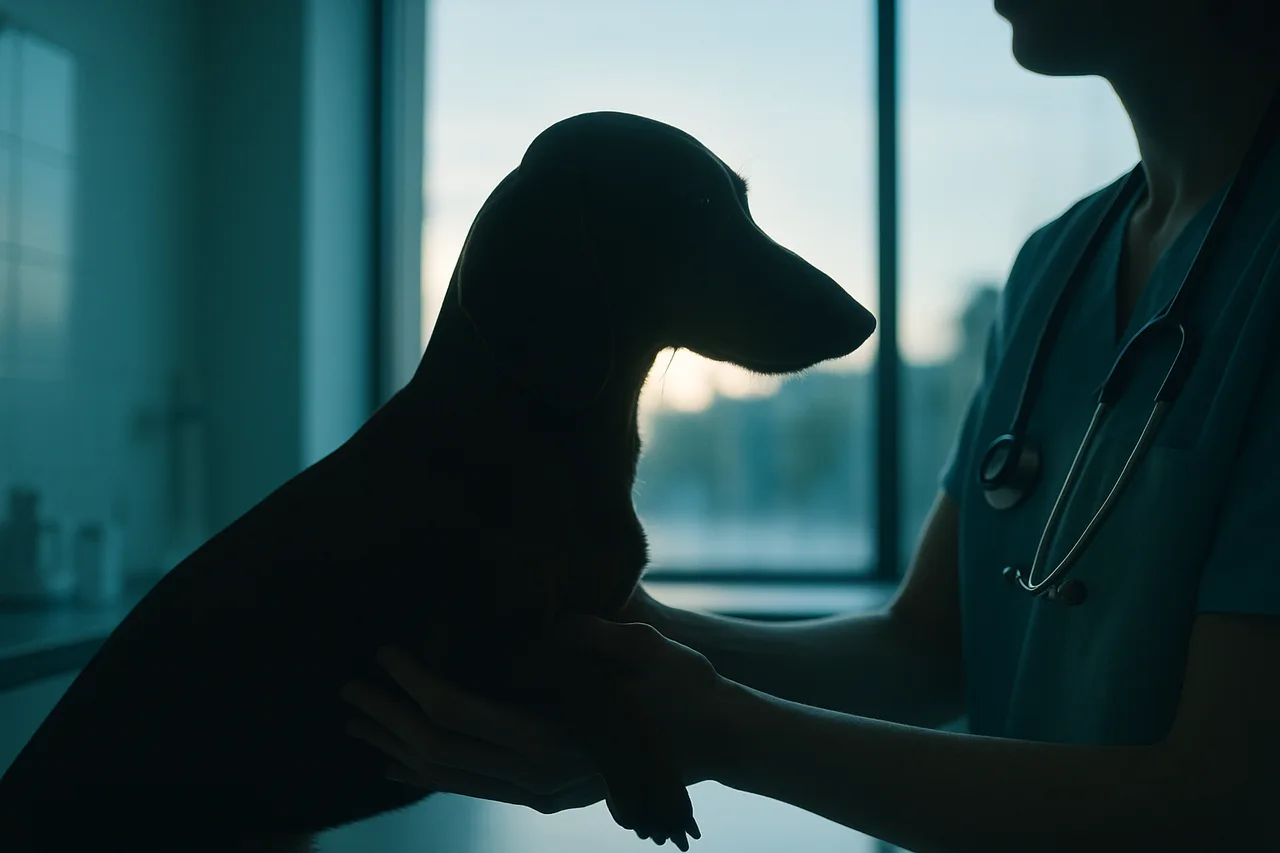
Introduction
Performing physical exams on animals is a pivotal moment for the health and well-being of pets. Yet this process can be a significant source of stress for both the animals and the veterinary team.
Stress can take a real toll on the patient experience, making it harder to gather accurate information and reach a reliable diagnosis. That is why it is essential for veterinarians to adopt strategies that ease this tension and create a calmer, more welcoming setting throughout the exam.
This article walks through practical techniques you can put into action to lower stress in veterinary patients during physical exams.
Why preparation matters in veterinary physical exams
Preparing in advance is an essential ingredient for physical exams that feel less stressful. By the time animals arrive at a clinic, they may already be anxious because of the change of environment, the presence of other animals, and the anticipation of unfamiliar procedures.
That anxiety can interfere with the exam and, in turn, with its results. Preparing not only the environment but also the animal and its owners is key to a calmer experience. Letting the patient become familiar with the clinic and approaching it gently can make a real difference.
Reading animal behavior during physical exams
Animals respond in many different ways to the clinical environment and to being handled during physical exams. Signs of stress such as trembling, panting, attempts to flee, and vocalizations are common and should be watched for by the veterinary team. Recognizing these cues is essential for adapting the approach during the exam.
A deeper understanding of animal behavior helps veterinarians sense when a patient may need a break or a different approach, leading to care that is both more effective and more compassionate.
7 techniques to reduce patient stress during veterinary physical exams
1. Create a calm, welcoming environment. Setting up the clinic space is the first step toward easing an animal's stress. Soft lighting, low ambient noise, and calming pheromones all help build a more peaceful setting. Limiting the number of people in the room during the exam also makes it feel less intimidating. A welcoming space helps the animal settle in and improves the overall experience.
2. Use a gentle, patient approach. How veterinarians approach and interact with animals is crucial. A calm, gentle manner, with slow movements and a soothing tone of voice, can significantly lower a patient's anxiety. Avoiding abrupt movements and giving the animal time to get used to the veterinarian's presence are practices that help build trust.
3. Apply appropriate restraint techniques. When restraint is needed, it should be done in a way that minimizes stress. Physical restraint methods that offer comfort, such as towels or blankets, can be effective. In situations where physical restraint is not enough, chemical restraint may be considered, but always with caution and under professional guidance. The goal is to keep both the animal and the veterinarian safe while reducing distress.
4. Offer rewards and positive reinforcement. Linking the physical exam to positive experiences is an effective way to reduce stress. Using treats, toys, or affection as rewards during and after the exam helps build a positive association. This positive reinforcement encourages the animal to stay calmer and more receptive at future visits.
5. Allow enough time and breaks during the exam. Conducting the exam at a pace that respects the animal's limits is essential. Setting aside enough time avoids rushing and lets the veterinarian adjust the approach to the patient's behavior. Building in breaks, especially for more anxious animals, helps keep stress in check and improves the exam experience.
6. Prepare the owner and the patient in advance. Guiding owners on how to prepare their animal for the visit is a vital part of the process. Tips such as helping the pet get used to the carrier or scheduling socialization visits to the clinic, with no exam involved, help the animal grow comfortable with the setting. In some cases, mild sedatives may be appropriate to ease anxiety, always under veterinary supervision.
7. Use technology to reduce stress. Choosing and using the right equipment can directly affect how stressed an animal feels during physical exams. Opting for quiet, less invasive devices not only eases the patient's anxiety but also enables faster, more accurate exams, cutting down handling time.
Discover INpulse devices and prevent stress in physical exams
INpulse devices represent a step forward in veterinary care, offering low invasive, precise solutions that help prevent patient stress during physical exams.
By bringing in technologies that put the animal's well-being first, veterinarians can carry out procedures more effectively and with less distress. To learn more about these innovative tools, visit the company website.
Reducing stress in veterinary physical exams is a cornerstone of safeguarding the health and well-being of animals.
Through careful preparation, a gentle approach, and the right techniques, veterinarians can turn the exam into a positive experience for patients and owners alike. Putting these strategies into practice not only raises the quality of care but also strengthens the bond of trust between the veterinarian and the animal.
Sources
- 2022 AAFP/ISFM Cat Friendly Veterinary Interaction Guidelines: Approach and Handling Techniques. (2022) PMID 36259500
- 2022 ISFM/AAFP Cat Friendly Veterinary Environment Guidelines. (2022) PMID 36259498
- Effects of Changing Veterinary Handling Techniques on Canine Behaviour and Physiology Part 1: Physiological Measurements. (2023) PMID 37048509
- Effects of a single preappointment dose of gabapentin on signs of stress in cats during transportation and veterinary examination. (2017) PMID 29099247
- ACVIM consensus statement: Guidelines for the identification, evaluation, and management of systemic hypertension in dogs and cats. (2018) PMID 30353952