

4 reasons to order a pre-surgical ECG
A pre-operative ECG makes the patient safer, helps you weigh surgical and anesthetic risk, and guides drug selection. Here are 4 reasons to order it.
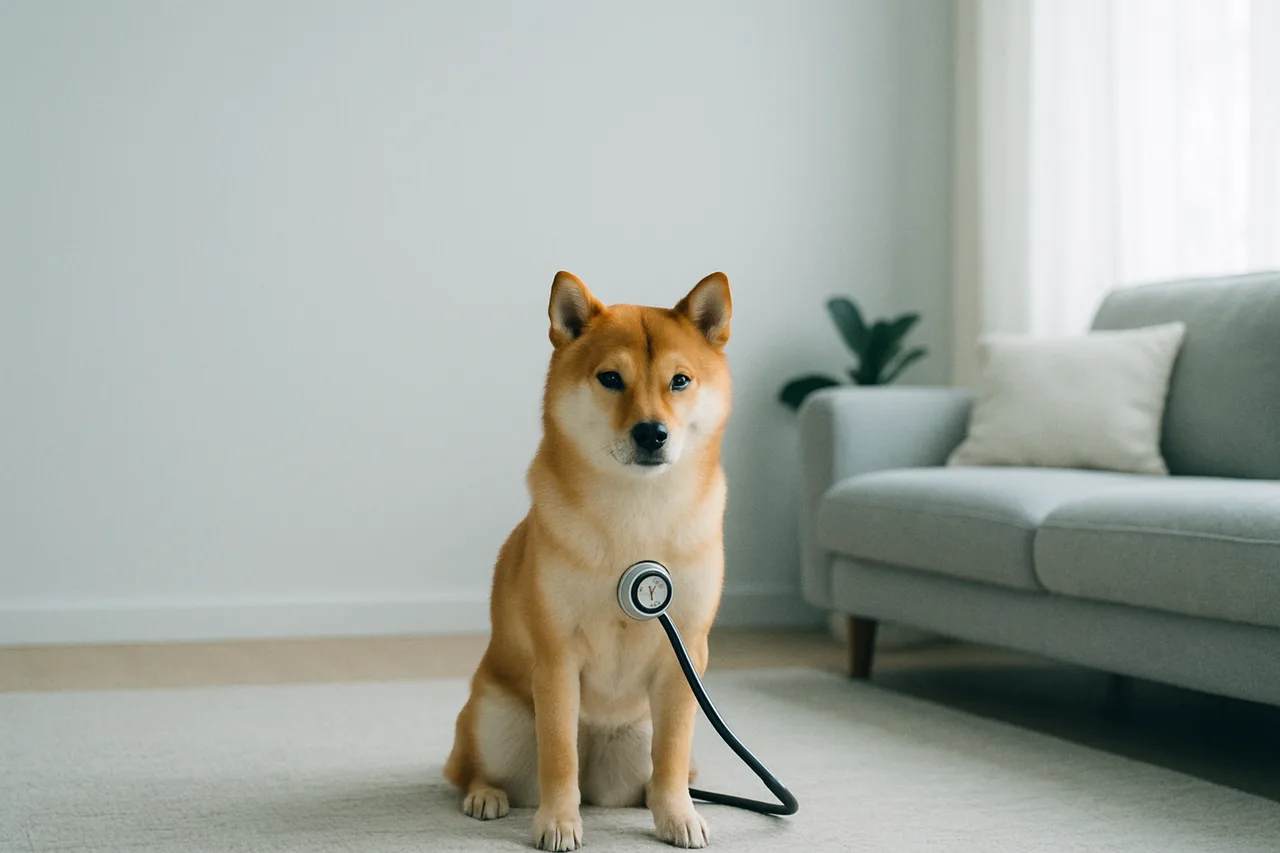
The electrocardiogram, or ECG, is used primarily to assess an animal's heart rate and rhythm. Much like the test performed in people, it is a simple, fast, and painless procedure. It can be carried out in small animals such as cats and dogs, as well as in large animals such as horses.
An ECG is essential during pre-operative preparation because it adds a layer of safety for the patient. After all, it delivers key information about the heart, helping the clinician identify the risks of the surgery and the anesthesia and choose the medications best suited to that animal.
If your practice does not yet offer this service, read on to discover four compelling reasons to start ordering a pre-surgical ECG:
1. It reduces the risk of liability
The information an ECG provides helps make surgery safer and lowers the odds of complications that, in the worst cases, can prove fatal. With it, the veterinarian can assess whether anything is abnormal with the patient's heart and explain the surgical risks to the owners. The clinician can also make a better choice of prescribed medications, avoiding those that disturb cardiac rhythm in animals with heart conditions.
Together, these precautions reduce the chance of problems during and after surgery and, in turn, help shield the practice from the risk that an error could escalate into legal action.
2. It gives the anesthetist greater confidence
The ECG also matters because it lets the anesthetist define the anesthetic protocol with more confidence. Patients, both people and animals, with heart conditions can still be anesthetized, but they need to be prepared for it. Once the veterinarian understands the animal's status, that preparation can begin, safeguarding the patient's well-being and making the anesthetist's job safer.
3. More peace of mind for the pet's owners
Every surgery carries risk, which can leave many pet owners uneasy about the procedure. Ordering an ECG is also a way to show that the practice is equipped to deliver the best care with the animal's well-being at the center. That makes this test an indispensable service for helping owners feel more comfortable leaving their pets in the veterinarian's hands, both for surgery and for future visits.
4. More follow-up visits, depending on the ECG results
Beyond protecting the animal's well-being, the ECG also delivers a solid financial return for the practice. If the test reveals abnormalities, additional visits will be needed to prepare the animal for surgery. Other exams, such as an echocardiogram or X-ray, may also be ordered so the veterinarian can investigate the patient's health more thoroughly.
On top of that, the ECG can be used for cardiac monitoring after the surgery.
Sources
- The risk of death: the confidential enquiry into perioperative small animal fatalities. (2008) PMID 18466167
- An evidence-based medicine approach to small animal anaesthetic mortality in a referral practice: the influence of initiating three recommendations on subsequent anaesthetic deaths. (2014) PMID 24344814
- 2020 AAHA Anesthesia and Monitoring Guidelines for Dogs and Cats. (2020) PMID 32078360
- Perioperative ventricular arrhythmias are increased with hemoperitoneum and are associated with increased mortality in dogs undergoing splenectomy for splenic masses. (2023) PMID 37643723
- Pre- and post-operative cardiac evaluation of dogs undergoing lobectomy and pneumonectomy. (2010) PMID 20706034