

Is Anesthesia Safe for Your Pet? How Assessment and Monitoring Change the Odds
Understand why modern veterinary anesthesia is safe when the patient is well assessed beforehand and monitored throughout the procedure, and what you can ask your veterinarian.
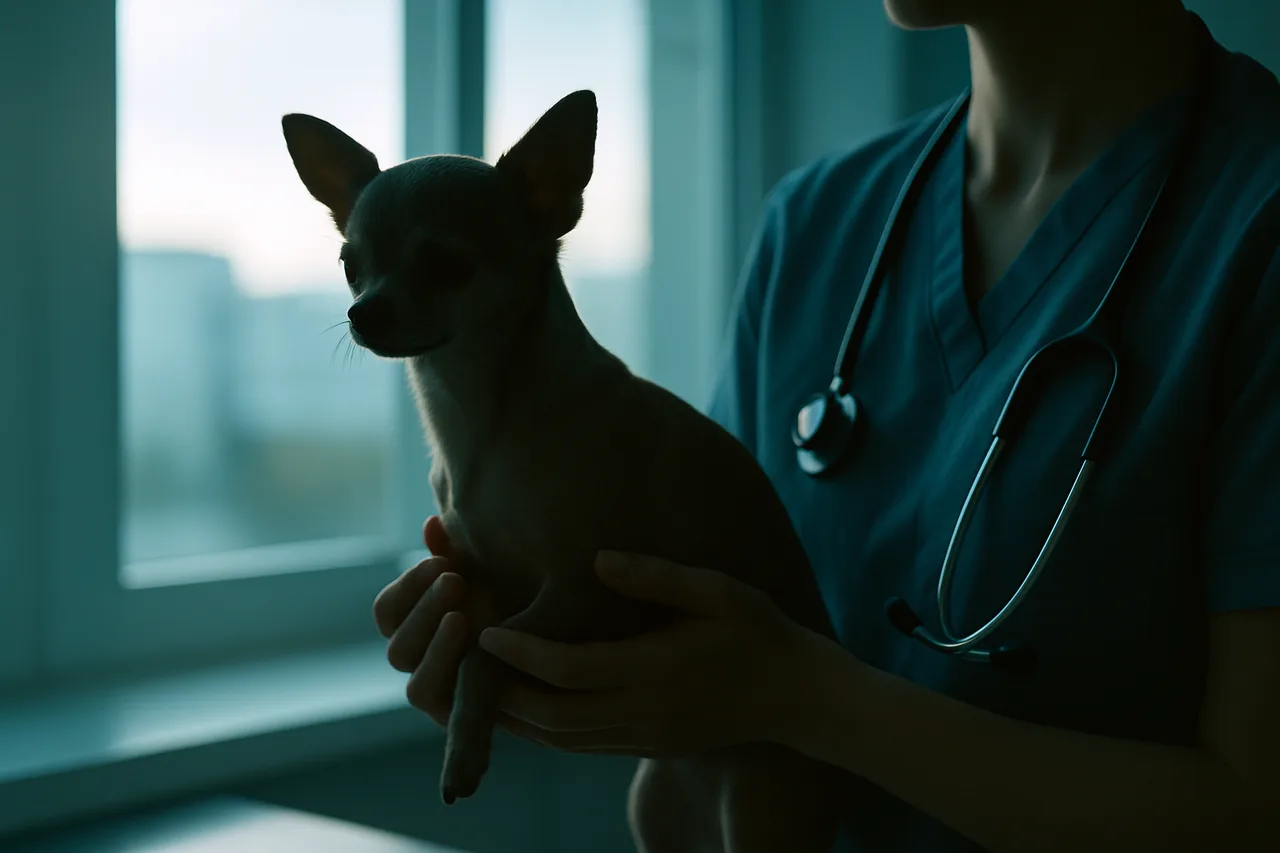
Modern veterinary anesthesia is considered safe when the patient is well assessed beforehand and monitored throughout the procedure. In large reference studies, the risk of anesthesia-related death was around 0.17% in dogs and 0.24% in cats overall, and it falls further when the animal is well prepared and closely watched. Safety does not come from luck: it comes from a process, prior assessment, the right technique and continuous monitoring, always guided by the veterinarian's judgment.
Why anesthesia today is safer than many people think
Fear of anesthesia is understandable, but it is usually greater than the real risk. The large UK CEPSAF enquiry, which followed nearly 100,000 dogs and 79,000 cats, found a risk of anesthesia- or sedation-related death of roughly 0.17% in dogs and 0.24% in cats. In healthy animals the figure is even lower, around 0.05% in dogs and 0.11% in cats. In other words, the vast majority of patients go through the procedure without incident.
Those same studies highlight a point that changes how we care for patients: a large share of complications happens after the procedure, during recovery. That is why monitoring does not stop when surgery ends, it continues through the first hours, while the patient is still waking up. Understanding this helps you trust the process instead of fearing the word anesthesia.
Pre-anesthetic assessment: the step that reduces risk the most
Before any sedation, the veterinarian needs to know the patient. The pre-anesthetic assessment usually combines clinical history, a complete physical examination and, when indicated, blood tests, an electrocardiogram (ECG) and imaging. This is not red tape: it is what allows drugs, doses and the monitoring plan to be tailored to the specific animal on the table.
A central tool at this stage is the ASA classification, an international physical-status scale that ranges from a healthy patient (ASA I) to a critically ill one. It matters because it tracks risk: scientific reviews show that dogs classified as ASA III or higher have roughly three times the risk of anesthesia-related death, and cats around five times, compared with lower-classification patients. Classifying well means anticipating and preventing.
These tests also change decisions. Studies of comprehensive pre-anesthetic assessment show that some scheduled surgeries end up postponed or cancelled when blood work or imaging uncovers a cardiac or internal problem that was not obvious on physical examination alone. Postponing to investigate is not overcautious, it is safe anesthesia working as intended.
Multiparameter monitoring: eyes on the patient at all times
During the procedure, the patient does not breathe or regulate circulation the way it would while awake, so the team tracks several signals at once. The AAHA anesthesia and monitoring guidelines, an international reference, recommend continuously watching parameters such as oxygenation, ventilation, circulation and temperature, along with the constant presence of a professional dedicated to that task.
In practice this comes down to a few key signals. SpO2 (pulse oximetry) shows how much oxygen is reaching the blood. ETCO2 (capnography) confirms that the patient is ventilating well and that the airway stays open. The ECG follows the heart rhythm beat by beat. Blood pressure tells whether organs are receiving good blood flow. And temperature matters because anesthesia favors hypothermia, which slows recovery.
The value of monitoring several parameters together is catching a change early, while it is still easy to correct with an adjustment of anesthetic, fluids or warming, before it becomes an emergency. A multiparameter monitor brings these signals onto a single screen, with alarms, giving the team time to react.
Groups that deserve extra attention
Some patients need more individualized care, which does not mean they cannot be anesthetized, only that the plan is tailored. Geriatric patients tend to have more concurrent diseases and less reserve to compensate for changes, so they usually require more detailed pre-anesthetic testing and reinforced monitoring.
Brachycephalic dogs (short-nosed breeds such as Bulldogs, Pugs and Boxers) deserve special attention, especially during recovery. A comparative study found post-anesthetic complications in about 14% of brachycephalic dogs versus about 4% of non-brachycephalic dogs, largely related to airway anatomy. That is why the team tends to watch extubation and the waking-up period closely.
Patients with heart disease form another higher-attention group. Here the assessment ECG and monitoring of rhythm and blood pressure during the procedure carry even more weight, and technology helps the team make better-informed decisions. In all of these cases, the chosen approach is always a clinical decision made by the attending veterinarian.
What you can ask your veterinarian
An informed guardian is a partner in safety. A few useful questions before the procedure: what pre-anesthetic assessment will be done, physical exam, blood tests, ECG. How will my pet be classified for risk and what does that change in the plan. Which parameters will be monitored during anesthesia, such as SpO2, ETCO2, ECG, blood pressure and temperature. Will someone be dedicated to watching the anesthesia the entire time.
It is also worth asking about recovery, since it is the period of greatest attention: how and for how long my pet will be monitored after waking up, and what signs I should watch for at home. These questions do not challenge the team, they show that you are part of the care and help the veterinarian align expectations. A clinic that assesses thoroughly, monitors with appropriate technology and explains the process is, in the end, offering exactly what makes modern anesthesia safe.
Connected technology in the service of safety
Anesthetic safety depends on trained people and also on the tools that present vital signs to them clearly. This is where INpulse Animal Health technology supports the team: the INmonitor multiparameter monitor brings parameters such as SpO2, ECG, blood pressure and temperature into an integrated reading, helping the veterinarian see the patient as a whole during and after the procedure.
When that data connects to the INpulse platform, ECG, history and follow-up start to talk to each other, giving context to every clinical decision. Technology does not replace the veterinarian's judgment, it equips it. It is this combination, careful assessment plus continuous, connected monitoring, that underpins the sentence we began with: modern anesthesia is safe when the patient is well assessed and monitored.
Sources
- Brodbelt DC, Blissitt KJ, Hammond RA, et al. The risk of death: the confidential enquiry into perioperative small animal fatalities (CEPSAF). Vet Anaesth Analg. 2008;35(5):365-373. (2008) PMID 18466167
- Brodbelt D. Perioperative mortality in small animal anaesthesia. Vet J. 2009;182(2):152-161. (2009) PMID 18658000
- Grubb T, Sager J, Gaynor JS, et al. 2020 AAHA Anesthesia and Monitoring Guidelines for Dogs and Cats. J Am Anim Hosp Assoc. 2020;56(2):59-82. (2020) PMID 32078360
- Portier K, Ida KK. The ASA Physical Status Classification: What Is the Evidence for Recommending Its Use in Veterinary Anesthesia? A Systematic Review. Front Vet Sci. 2018;5:204. (2018) PMID 30234133
- Gruenheid M, Aarnes TK, McLoughlin MA, et al. Risk of anesthesia-related complications in brachycephalic dogs. J Am Vet Med Assoc. 2018;253(3):301-306. (2018) PMID 30020004