

ACVAA 2025 Anesthetic Monitoring Guidelines for Small Animals: What Changes in Practice
The ACVAA 2025 guidelines update, after 16 years, how to monitor dogs and cats under anesthesia and sedation. See what changes across oxygenation, ventilation, circulation, temperature and anesthetic depth, and why capnography is now a minimum standard.
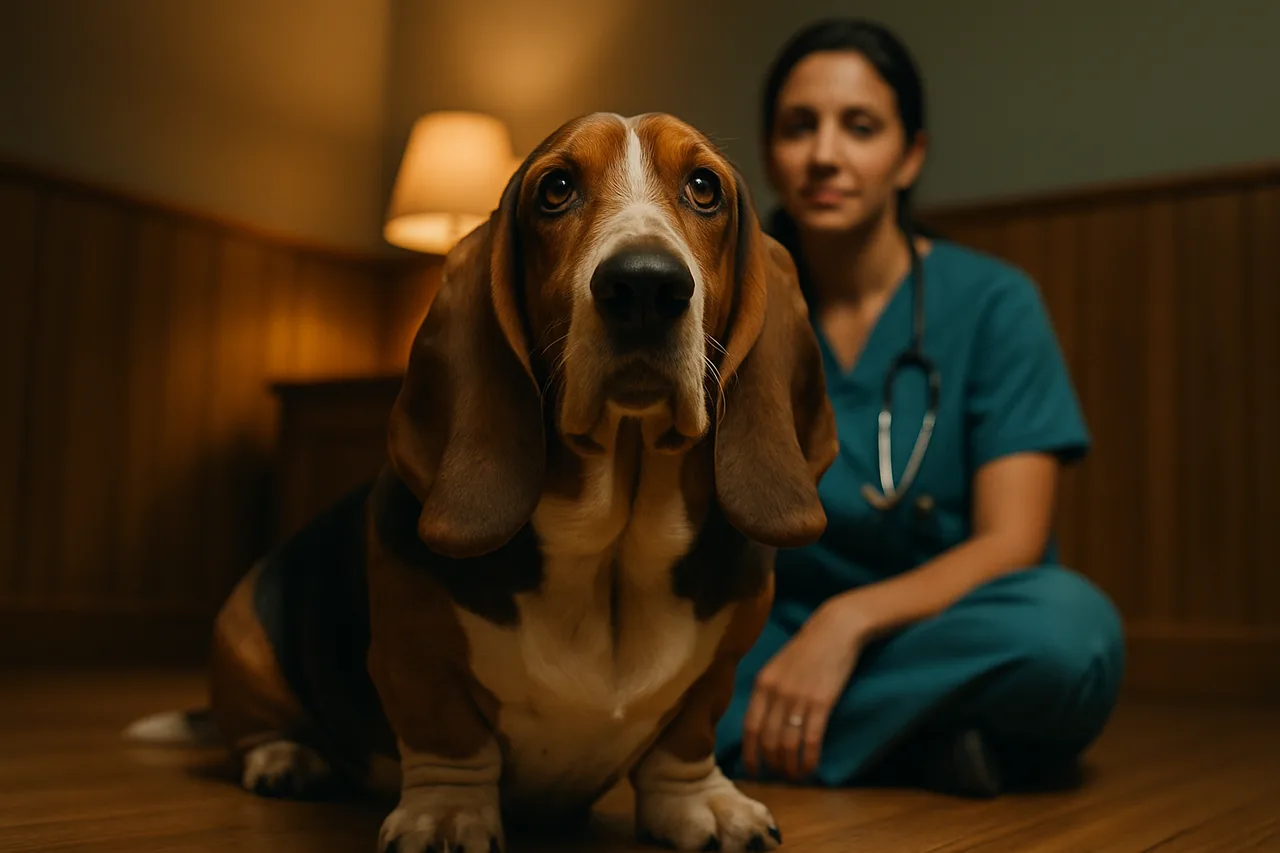
The ACVAA 2025 small animal anesthesia and sedation monitoring guidelines are the first update since 2009 to the American College of Veterinary Anesthesia and Analgesia recommendations on how to follow dogs and cats during procedures. They organize surveillance around five clinical pillars: oxygenation, ventilation, circulation, temperature and anesthetic depth, and broaden the scope to include sedation, neuromuscular blockade, the role of the team and the use of cognitive aids. The underlying shift is practical: continuous monitoring by a trained, dedicated person, supported by equipment rather than replaced by it.
Why this update matters
Sixteen years separate the 2009 guidelines from the 2025 ones. In that span, monitors once confined to specialty centers became accessible in general practice, and the understanding of when and how anesthesia-related death occurs has matured. The new guidelines were built in collaboration with the North American Veterinary Anesthesia Society and the Academy of Veterinary Technicians in Anesthesia and Analgesia, and combine evidence, where it exists, with expert consensus where evidence is still limited.
One point that is emphasized is the recovery period. A substantial share of anesthesia-related deaths occurs in the first hours after the procedure, according to the discussion around the guideline, and not only during surgery. The practical recommendation is to extend surveillance beyond awakening, keeping attention on the patient in the immediate post-procedure window. The exact figure and time window should be confirmed against the full text.
The five pillars: what to monitor
Oxygenation. Assessing oxygenation combines clinical examination, such as mucous membrane color, with pulse oximetry (SpO2). Mucous membrane color is useful but late and subjective; pulse oximetry provides saturation continuously and anticipates hypoxemia. The guidelines message is not to rely on a single parameter.
Ventilation. Perhaps the most striking change: capnography (ETCO2) moves from optional to part of the minimum monitoring set. It confirms intubation, detects disconnections and obstructions, and reflects the adequacy of ventilation in real time, with recognized value during cardiopulmonary resuscitation as well.
Circulation. Hemodynamic surveillance rests on the electrocardiogram (ECG), blood pressure, and assessment of pulse and perfusion. The ECG shows rhythm and supports early detection of arrhythmias; blood pressure can be measured by oscillometry, Doppler or invasively, according to the patient and the setting. The specific methods and thresholds should be confirmed in the full text.
Temperature. Body temperature monitoring is reinforced, with attention to both hypothermia, common under anesthesia, and hyperthermia. Measurement should be serial throughout the procedure and into recovery.
Anesthetic depth. Depth assessment remains clinical and integrated: eye position, tone, reflexes, response to stimuli and physiologic parameters, interpreted together by the professional. No single device replaces that judgment.
What is new and emphasized in 2025
Sedation is monitored too. The guidelines now explicitly address sedation, recognizing that relevant physiologic changes can occur even outside general anesthesia. The continuum from mild to moderate to deep sedation is unpredictable, and surveillance must follow that reality.
A three-tier structure. Recommendations are presented as minimum, alternative and advanced levels, so they apply both to the resource-limited practice and to the unstable or higher-risk patient. This preserves safety without imposing a single standard on every context.
Dedicated person and cognitive aids. There is renewed emphasis that a trained, dedicated person follows the patient continuously, rather than relying on automated equipment alone. Cognitive aids also come into play: pre-anesthetic equipment checklists, emergency drug-dose worksheets and safety lists, plus structured communication at handoff.
Neuromuscular blockade. When neuromuscular blocking agents are used, the guidelines direct the use of a peripheral nerve stimulator to monitor the blockade, avoiding administration of these drugs without such monitoring.
What changes in the clinic routine
In practice, the guidelines point to an anesthesia room where oxygenation, ventilation, circulation, temperature and depth are followed together, ideally in an integrated and continuous way, with capnography already part of the minimum standard. Centralizing these parameters in a multiparameter monitor reduces the team's cognitive load and makes it easier to read SpO2, ETCO2, ECG, blood pressure and temperature simultaneously, freeing attention for the patient.
INpulse works in connected multiparameter monitoring, with the INmonitor bringing these signals together on a single screen and into history on INcloud. It is worth stressing that no technology replaces the presence and judgment of a trained person at the patient's side, as the guidelines themselves emphasize.
This content is informational and does not replace the individual assessment of each case. Monitoring conduct, thresholds and the choice of methods are decisions of the responsible veterinarian, in light of the patient, the procedure and the available resources. For specific details, consult the full text of the guideline.
Sources
- Bailey K, Briley J, Duffee L, et al. The American College of Veterinary Anesthesia and Analgesia Small Animal Anesthesia and Sedation Monitoring Guidelines 2025. Veterinary Anaesthesia and Analgesia. 2025;52(4):377-385. doi:10.1016/j.vaa.2025.03.015 (2025) PMID 40447502
- The American College of Veterinary Anesthesia and Analgesia Small Animal Anesthesia and Sedation Monitoring Guidelines 2025 (full text). Veterinary Anaesthesia and Analgesia. (2025) PMID 40447502
- Updated anesthesia-monitoring guidelines balance high-tech tools, practicality. American Veterinary Medical Association (AVMA) News. (2025)
- Updated ACVAA Small Animal Anesthesia Monitoring Guidelines Are Available! American College of Veterinary Anesthesia and Analgesia. (2025)
- What Goes Into Expert Guidelines? Unpacking New Recommendations for Anesthesia and Sedation Monitoring. Today's Veterinary Practice. (2025)