

Antibiotic Resistance: What Is the Veterinarian's Responsibility?
Antibiotic resistance is climbing to dangerous levels worldwide, in veterinary practice and human medicine alike. See how the veterinarian is part of the solution.
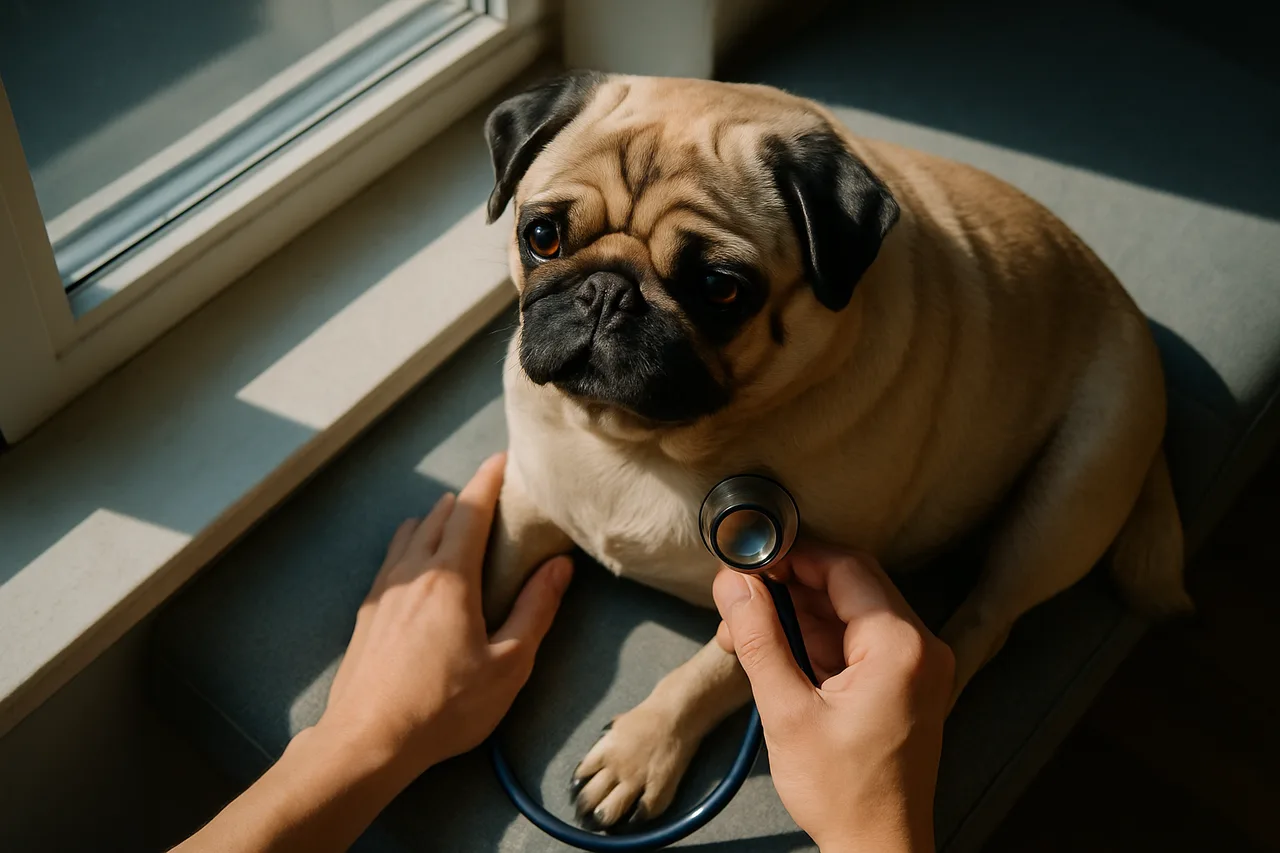
A patient with dermatological problems whose lab results leave us struggling to find the right antibiotic for treatment. A surgical procedure contaminated by a highly resistant bacterium that hinders recovery and jeopardizes the success of the operation. A patient with organ dysfunction and an infection that can only be treated with an antibiotic capable of compromising another already affected organ, whether due to old age, cancer, or advanced liver disease.
Many such cases pass through our hands every day, alerting us to a global problem. What used to be a broad range of options is becoming narrow and scarce.
A Problem Growing Worldwide
Antibiotic resistance is rising to dangerously high levels in every part of the world, not only in veterinary medicine. New resistance mechanisms are emerging and spreading globally, threatening our ability to treat common infectious diseases. A growing list of infections, in both veterinary and human medicine, is becoming harder and sometimes impossible to treat as antibiotics lose their effectiveness.
Wherever antibiotics can be obtained by owners or patients without a prescription, the emergence and spread of resistance are made worse. Likewise, in countries and settings that lack standard treatment guidelines and diagnostic resources, antibiotics are often over-prescribed and misprescribed by health professionals for public use.
Without urgent action, we are heading toward a post-antibiotic era in which common infections and minor injuries could once again become fatal. It is not unusual to hear of failed cases involving hospital-acquired infections, is it?
The Veterinarian's Role
As health professionals, we must be aware of how serious it is to over-prescribe and even misprescribe antibiotics, whether for the owner's convenience or out of a false "certainty" that treatment will succeed without running a basic test. We need to take corrective measures in our practice: use them only when they are needed to treat a medical condition; confirm that the antibiotic chosen is the most appropriate for the purpose; give the correct dose, at the correct frequency and duration, and by the appropriate route; talk to owners about bacterial resistance, guide them and make sure they understand how to administer the medication (dose, frequency, treatment duration); order and perform the tests needed to direct the best treatment; and report antibiotic-resistant infections to surveillance authorities. Every day, we have the ability to assess situations and find points where we can help.
A Responsibility for All of Health Care
This is a problem that involves not only our profession, but also physicians and the rest of the health care field. Fighting antibiotic resistance is one of the priorities of the World Health Organization (WHO). An action plan has been drawn up and endorsed by the World Health Assembly, aiming to ensure the prevention and treatment of infectious diseases with safe and effective medicines.
We can do our part as health professionals and as citizens. We can educate the owners of our patients. We can make a positive contribution to what may become a worldwide problem in the not-too-distant future.
Author: Dr. Larissa Seibt.
Sources
- International Society for Companion Animal Infectious Diseases (ISCAID) guidelines for the diagnosis and management of bacterial urinary tract infections in dogs and cats. (2019) PMID 30971357
- Effect of institutional antimicrobial stewardship guidelines on prescription of critically important antimicrobials for dogs and cats. (2024) PMID 38465850
- Antibiotic therapy in dogs and cats in general practice in the United Kingdom before referral. (2023) PMID 37029514
- Urinary tract infection and subclinical bacteriuria in cats: A clinical update. (2019) PMID 31601143
- Methicillin-resistant Staphylococcus pseudintermedius: epidemiological changes, antibiotic resistance, and alternative therapeutic strategies. (2024) PMID 39167258